Blood Cleanup
Carpet, solid floors, walls and furnishings receive blood cleanup that includes safe disposal.
See blood cleanupGet blood and bodily fluids removed from carpet, rugs and upholstered furniture in Villa Del Rey. Each layer is checked, and affected material is cleaned, disinfected or removed according to its condition.
Biohazard cleaning for upholstery and carpet addresses biological contamination both on soft surfaces and underneath them. Materials are disinfected if treatment is safe, or removed if they cannot be treated safely.
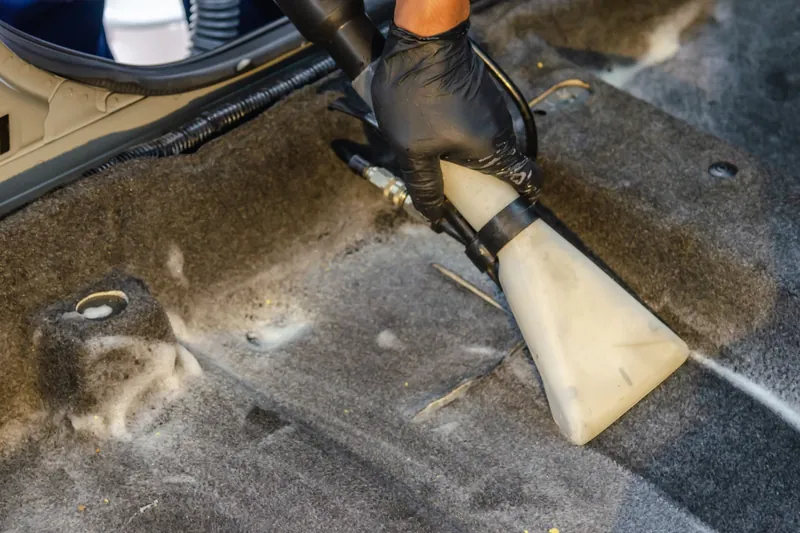
Appearance and soil are the focus of standard carpet cleaning, but a biohazard service looks beyond the surface. Its scope includes padding, carpet backing, subfloor and tack strips, as well as foam cushions and upholstery seams. Since vomit, feces, blood, urine and other bodily fluids can travel deeper than the visible area, technicians assess the concealed layers before determining what may stay.
Some recent, limited contamination may be cleanable when it remains accessible and the surface can tolerate the required treatment. Deeply soaked padding, foam or unfinished wood often cannot be fully reached with a cleaning machine. Those contaminated materials are removed, packaged and sent for waste disposal under the rules that apply to the job.
The discussion should include any keepsakes or useful possessions that are affected. You should hear the treatment limits from cleanup crews before valued furniture or rugs are included with hazardous waste.
Crews arrive in unmarked vehicles, and someone can answer calls during daytime or nighttime hours. You can ask how the work path and entry area will be kept private.
You should hear which layers were inspected, what can be cleaned and why any pad, foam or flooring needs removal before work moves forward.
Photos, affected-item lists and records of the entire process can support your discussion with insurance companies and later restoration services.
You may need a biohazard carpet cleaning service after biological material gets onto a soft surface and cannot be addressed safely through routine cleaning. Common examples are:
The insurance company and property owner may need photos and a record of any affected rental chair, sofa or carpet, with a clear decision to clean or remove it.
Blood may pass through upholstery fabric and reach seams, batting, foam or the furniture frame. Accessibility for treatment is established by inspecting the impacted components.
Blood from a fall, cut or medical event may soak through carpet into padding and spread along the subfloor. The visible stain does not define the entire affected area.
Professional cleanup keeps loved ones from a hard task and reduces foot traffic that may spread contamination into surrounding areas.
Keep everyone away from the affected carpet or furniture and leave the material in place. These first steps reduce spread while you arrange a cleanup service:
Call (888) 351-0904No carpet-cleaning range appears in published guides. For context, general biohazard cleanup guides list residential work at $1,800 to $4,500 and place most residential projects within $2,500 to $8,000 according to published figures. Published guides identify $3,000 to $5,000 as the typical national range while figures extend overall from $1,500 to $25,000. None represents a carpet cleaning price. What your inspection reveals, including the affected layers, determines cost.
These national ranges are taken from published cost guides, rather than a property visit. You learn what your property will cost after the on-site assessment and before any work begins.
Ask about cost: (888) 351-0904Biohazard work on carpet and upholstery may qualify for coverage through a homeowners, renters, commercial or auto policy if the contamination resulted from a covered event. Claim payment still depends on the circumstances, policy terms and deductible.
Explain the source of the loss to your insurance company and identify every affected rug, carpet or furniture item. Your questions should cover cleaning, removal of affected items and subsequent restoration for floors or furnishings.
Homeowners or renters insurance, the estate or the property owner usually pays for this kind of cleanup. The Louisiana crime victim compensation program helps only when a crime caused the loss.
A property owner or manager may arrange the cleanup service in a rental. Who must pay is determined by the event's cause, insurance coverage and terms in the lease.
Find out which cleanup documents, photographs and property lists your adjuster requires. Save your claim number and wait for clear directions before disposing of affected personal property, except when keeping it would cause an immediate safety issue.
A controlled cleaning sequence helps protect the surrounding space, uncover contamination in concealed layers and identify material that needs removal rather than treatment. At every stage, decisions reflect the fluid involved, its penetration depth and how the soft material is constructed.
Carpet padding, backing and borders are inspected together with surrounding hard surfaces and visible contamination. The scope is determined after checking removable cushions and seams in the furniture.
The affected work area is isolated from unaffected space. Protective gear suited to the work is used, with a planned path for moving equipment and waste that has been sealed.
Solid material and visible soil are removed with methods that limit splashing and airborne particles. Cleaning starts before any disinfectant is applied.
When necessary, portions or edges are raised so the padding, backing, tack strips and subfloor can be checked. Accessible layers of upholstery receive an equivalent check for contamination depth.
A method compatible with the specific fiber and contaminant is used on material suitable for cleaning. Deeply affected carpet, pad, foam or framing is removed when full treatment is not possible.
Only a disinfectant whose EPA registration and label cover the specific surface and organism is applied. Label directions for wet contact duration are followed.
The cause of a remaining smell is identified following removal of the contamination. During detailed cleaning and removal, HEPA filtration may help manage particles in the air.
The inspection includes treated materials, surrounding areas and the path used during work. You are given documentation showing what underwent cleaning or removal and which restoration steps remain.

Call at any time. Your biohazard carpet and upholstery cleaning specialist answers the phone, describes what happens next and works with you on a start time.
Soft surfaces can hold contamination below the fibers, so a carpet or chair that looks clean may still contain bodily fluids and affected material.
When carpeting, upholstery or padding cannot be disinfected, applicable rules may require safe disposal and secure packaging. Loose material should not be dragged through clean rooms.
Fluid can penetrate carpet backing and spread to floor seams, padding, unfinished subfloor or tack strips. Surface shampoo may leave contaminated materials underneath.
You may find it emotionally difficult to clean a bedroom, chair or rug associated with a loss or injury. While the cleanup crew completes the work, your attention can remain on your own needs and your family.
Can you clean it yourself? A few drops on a removable, washable textile may be manageable if no sharp object is present and the care instructions allow safe treatment. Wear gloves while following guidance from public health authorities. Arrange professional biohazard cleanup when fluid reached installed carpet, padding, upholstery foam or unfinished flooring, or when you cannot identify the full boundary.
A soft surface is kept only when the contamination can be reached and the material can tolerate the full cleaning and disinfection process. Deeply soaked layers are removed.
Under the OSHA Bloodborne Pathogens Standard, 29 CFR 1910.1030, employees who might contact blood require protective equipment, training and exposure-control practices.
The product's intended application should appear in its EPA registration. Follow the label requirements for the organism, surface, method of application and complete contact period.
Louisiana treats soaked materials from a biohazard scene as potentially infectious biomedical waste. Louisiana Department of Health sanitary code rules control how it is packaged, stored and transported, so it cannot go in household trash.
Local health and building rules can affect how a contaminated room is cleaned and when it can be used again, so mention any notice you have received from the city or county.
The schedule depends on the number of affected soft materials, the depth reached by fluid and whether removal of furniture, carpet or padding is necessary. A reliable timeframe cannot be established until an inspection is completed.
The full biohazard carpet and upholstery cleaning guide covers what is cleaned or removed, odor and air quality work, and the rules that apply in your state.
Read the full biohazard carpet and upholstery cleaning guideContainment, entry and cleanup plans can be influenced by local housing, population and access details.
The nearest listed emergency facility is The General, about 3.2 miles away, so medical care remains separate from property cleanup.
The location sits near Villa Del Rey Park, North Red Oaks, and Red Oak, making local landmarks helpful when a property entrance is hard to find.
As a Baton Rouge neighborhood, Villa Del Rey may include several building styles, so cleanup planning should start with the exact property type.
You can ask about cleanup in nearby communities and ZIP codes during the call.
Carpet, solid floors, walls and furnishings receive blood cleanup that includes safe disposal.
See blood cleanup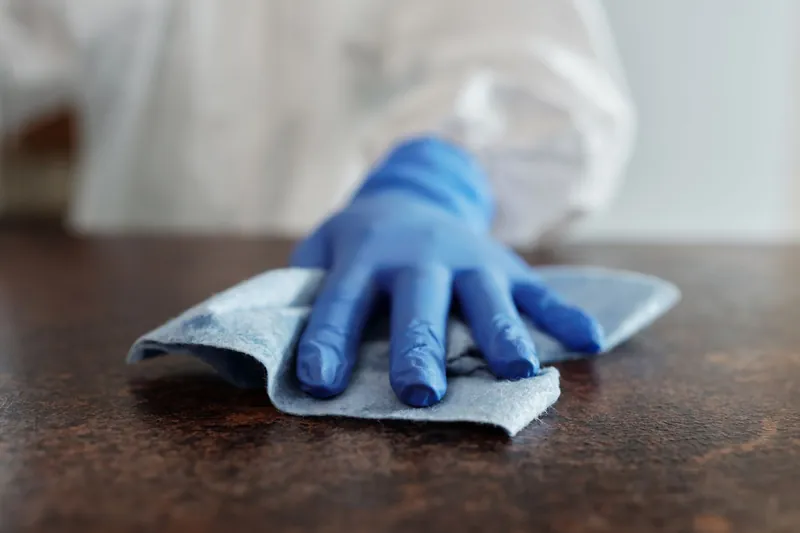
Blood spill cleanup for fresh or dried spills of any size.
See blood spill cleanup
Homes, care environments and businesses receive bodily fluid cleanup and disinfection.
See bodily fluid cleanup
Disinfection accompanies human feces cleanup in public restrooms, homes and rental properties.
See human feces cleanup
For furnishings, flooring and subfloors, urine cleanup includes odor removal.
See urine cleanup
Vomit cleanup and disinfection to stop norovirus and other germs from spreading.
See vomit cleanup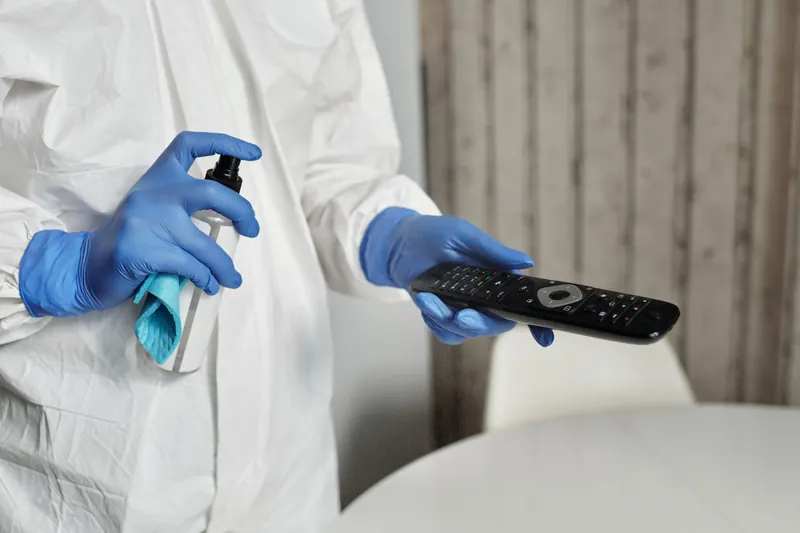
Biological remediation removes contamination so the space can be safely used again.
See biohazard remediation
Death odor removal targets the source through ozone treatment, hydroxyl and air scrubbers.
See death odor removalOccasionally. When contamination can be accessed, covers a limited area and is compatible with required treatment methods, the carpet might be cleanable. If fluid reached the backing, padding, tack strips or unfinished subfloor, one or more layers may need removal. Only an inspection can determine the appropriate choice with confidence.
Technicians find how far liquid spread by checking the fabric and seams as well as internal foam, batting and frame components. Accessible material may be cleaned and treated with a product labeled for that use. If contamination extends far into foam or the frame cannot be accessed, taking out the item may be safer than treating only its surface.
Treatment may work on blood affecting carpet fibers, while blood absorbed by the pad can be hard to access in full. The cleanup technicians inspect carpet borders, backing, pad and flooring underneath. Contaminated porous items, including carpet pad, might need removal instead of continued extraction focused only on the visible mark.
It can resolve odor after the source has been fully identified and treated. Odor can remain if bodily fluids are left in padding, upholstery foam, tack strips or subfloor. First remove the source, then clean and disinfect before completing appropriate deodorizing or air quality treatment. Adding scent by itself will not address the source.
A carpet-specific figure is not available in published guides. The page cards present broad comparisons from general biohazard cleanup guides. Your final scope is shaped by the affected area's size, depth of impact, materials involved, waste needs and later restoration, making an on-site inspection necessary for pricing.
Coverage depends on what caused the contamination, the policy language, exclusions and deductible. Report the event to the insurance company and ask specifically about biohazard cleanup, carpet or furniture removal, and restoration. Save your claim identifier along with the photographs, cleanup documents and affected-property inventory the insurance company requests.
Respectful, discreet biohazard carpet and upholstery cleaning is available 24 hours a day, and crews arrive in unmarked vehicles.