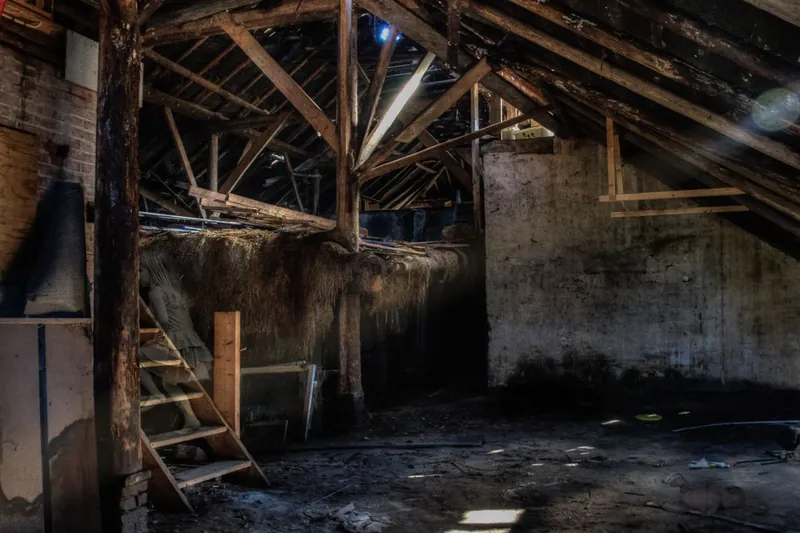
Bird and Bat Guano Cleanup
Cleanup and disinfection remove guano from birds or bats in attics and structures.
See bird and bat guano cleanupGet mouse and rat droppings, urine, nests and soiled insulation removed from an attic, crawl space, garage or home in Perkins Place. Dry waste is wetted before removal to keep particles from spreading.
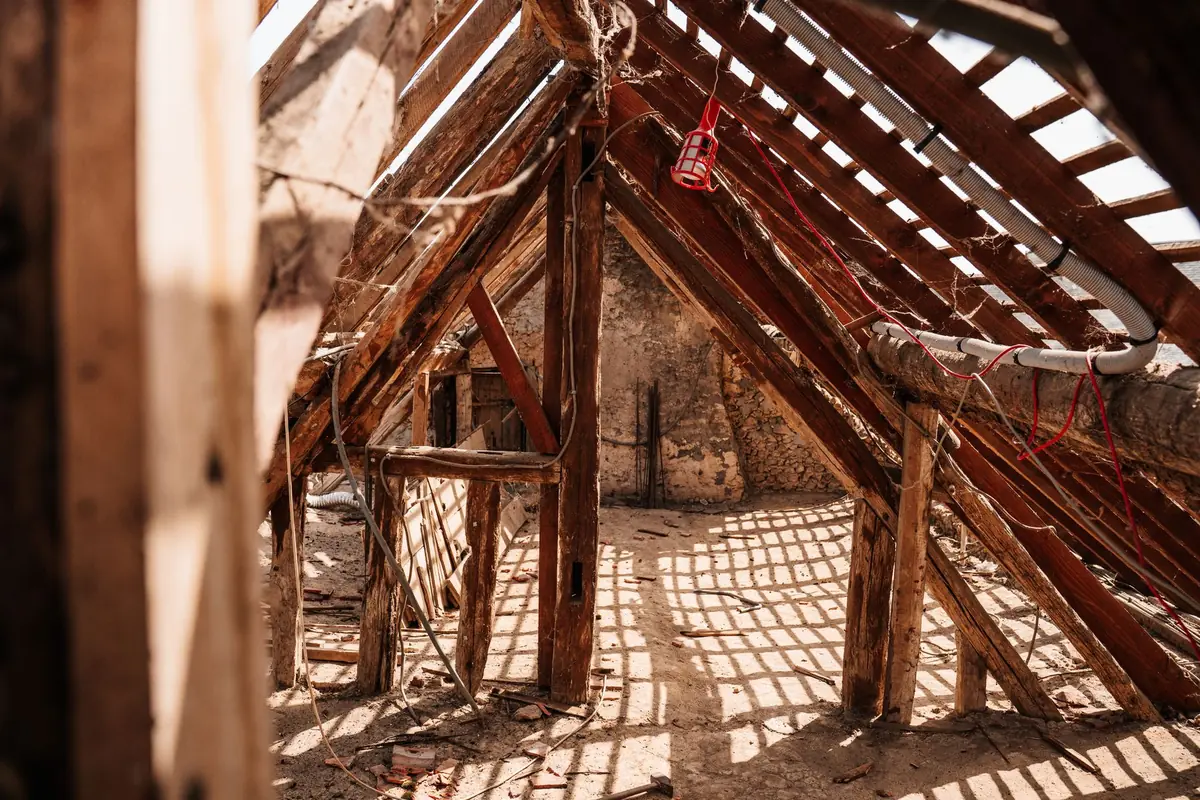
Rodent droppings cleanup means removing rat or mouse waste, urine, nests and affected materials through a controlled wet process. Cleaning, disinfection, odor work and a final inspection of the space follow.
The work may cover an attic, crawl space, basement, shed, garage, cabin, pantry, storage room or living area. Cleanup technicians look beyond the visible pellets because urine, nesting material and debris can sit beneath insulation, behind stored boxes or along wall edges. This biohazard cleanup service focuses on the contamination left behind after rodent activity.
Conditions differ from one cleanup to another. Still, dry nests or droppings must not be blown, brushed or vacuumed, and a broom is not appropriate. The material is soaked using an appropriate disinfectant. After the entire label contact time, disposable tools are used to lift it. Hard surfaces undergo both cleaning and disinfection, and porous items with contamination are considered for removal. Separate pest control and entry-hole sealing can reduce the chance of infestation returning.
Photos, the work scope and a list of removed materials can be organized for property owners, landlords and insurance companies when requested.
You receive an explanation of the treatment areas, possible removals and scope-changing conditions before cleanup starts.
Condition and material type guide how personal property is evaluated. Items are not discarded simply because storage placed them near the affected area.
Daytime and nighttime calls are accepted, and cleanup crews may travel in unmarked vehicles. You can explain the situation without judgment and keep the work private.
Consider professional cleaning if the affected material covers a broad area, has entered porous items or cannot be reached easily. Situations commonly include:
Shelves, packages and nearby food-contact areas may be affected when urine or droppings appear in storage spaces or cupboards.
Compared with an open room, a poorly ventilated crawl space with pipes and exposed earth is harder to navigate and wet-clean safely.
Mouse waste and nests can reach belongings, insulation and rafters, including cramped sections that are hard to enter safely.
The property may still require disinfection and waste removal, plus odor work and sorting for contaminated materials, after active rodents are addressed.
Before cleaners arrive, focus on stopping dry debris from entering the air or being tracked to unaffected rooms. Follow these steps:
Call (888) 351-0904HazardPros identifies a planning benchmark of $150 to $600 for rodent cleanup. Its range for waste removal plus disinfection is $600 to $1,000. The attic cleaning benchmark, which includes insulation replacement, is $2,200 to $6,200. A quote is not fixed by these figures. Final cost is shaped by the affected area's size, accessibility, insulation, odors and waste volume.
These ranges come from published national cost guides, not from a site visit. You learn what your property will cost after the on-site assessment and before any work begins.
Ask about cost: (888) 351-0904Your policy, damage source and the insurer's classification determine coverage. The insurer may view the condition as damage that developed from pests over time, or as a covered event.
Notify the owner or property manager that contamination is present. Responsibility for scheduling and paying for cleanup may vary with lease terms, local requirements, the cause and property conditions.
Ask your insurance company whether cleanup, removal of damaged insulation and restoration are covered. Some policies exclude gradual damage caused by pests, although terms vary between contracts.
Evidence for insurance can include images, a detailed work description, receipts and an inventory of discarded material. Contact the insurer ahead of the work, if practical, to confirm its recordkeeping requirements. With organized records, you may move forward more easily on an insurance claim.
The commercial policy and lease should both be checked by the business. Keep customers and workers away from the affected area while coverage and cleanup are reviewed.
The rodent remediation process follows a controlled order that keeps dry waste from spreading into surrounding areas. Rodent cleanup involves assessment, wet treatment, removal, disinfection and a final check. You hear what every step covers before the entire process begins.
An assessment checks room, attic and crawl space conditions for safe access, then notes rodent waste, urine, nests and affected vents, insulation or personal property.
The contaminated zone is contained away from clean rooms. Appropriate protective equipment and one managed entrance help prevent rodent debris from being carried through your property.
An enclosed area is ventilated when conditions allow safe airflow. Fans are not directed through contaminated dust, and unprotected people stay outside the work zone.
Droppings, urine residue and nests are saturated with the chosen disinfectant. The disinfectant is allowed to sit wet for its full labeled contact time prior to pickup.
Crews collect wetted debris using single-use equipment and contain it while progressing through one area at a time. It is not swept, shaken or dragged across clean floors.
Once you discuss and approve the removal plan, uncleanable absorbent materials such as textiles, cardboard and insulation can be sealed in bags.
An EPA-registered disinfectant remains on cleaned, reachable hard surfaces for the complete period specified by the label. Source material is taken away before work on air quality and odors begins.
The area is checked for missed debris, residue and odor. You receive a summary of the work and can plan separate pest exclusion or restoration services if needed.
Call at any time. A rodent droppings and hantavirus cleanup specialist answers, explains the steps and agrees a start time with you.
Rodent droppings, urine and nests can carry germs, and disturbing them while dry can put contaminated particles into the air you breathe. Heavy contamination can create serious health risks, especially in dusty or enclosed spaces.
Rodent urine may penetrate fabric, cardboard, unsealed lumber and insulation. If cleanup stops at visible feces, absorbent materials can continue holding unseen residue and smells.
People with breathing problems or weakened immune systems should stay away from a heavily affected area. If you feel ill after exposure, tell a medical professional about the rodent contact.
Sweeping, blowing air and standard vacuuming may circulate settled dust throughout an enclosed space. Dust can build up inside sheds, cabins and attic spaces that stay closed.
Can you clean it yourself? Protective equipment and damp cleanup may be enough when only a few feces are present in a reachable location. Use gloves and safe ventilation, thoroughly wet the feces with disinfectant and leave the product for its label contact time before wiping and containing the debris. Do not vacuum or sweep dry material. Call for professional cleanup when contamination is heavy, widespread, dusty, hard to reach or mixed through insulation and stored property.
Hard surfaces with a sealed finish are often cleanable and can be kept. When absorbent materials retain nesting debris, urine or droppings beneath the surface, removal may be needed.
Wet cleaning is the approach described in CDC guidance. Before removal, rodent waste and nesting debris are wetted with disinfectant. Dry sweeping and ordinary vacuuming can spread particles and should be avoided.
Use a treatment labeled for the relevant germ and safe for the surface being cleaned. Follow every label cleaning instruction and allow the complete stated contact period.
Employers need to assess the exposure and select suitable protective equipment, work practices and training. When workplace exposure involves blood or another covered substance, OSHA Bloodborne Pathogens Standard 29 CFR 1910.1030 applies.
How material must be discarded varies by location, waste category and building type. Not every type of rodent material qualifies as hazardous waste. Check local requirements when dead rodents, dirty insulation, sharp objects or other hazardous materials need special procedures.
A small, accessible rodent cleanup may take a few hours. A full attic or crawl space often takes one to two workdays, while heavy contamination, difficult access or extensive insulation removal can take longer.
The full rodent droppings and hantavirus cleanup guide covers what is cleaned or removed, odor and air quality work, and the rules that apply in Louisiana and East Baton Rouge Parish.
Read the full rodent droppings and hantavirus cleanup guideContainment, entry and cleanup plans can be influenced by local housing, population and access details.
The nearest listed emergency facility is Our Lady of the Lake Regional Medical Center, about 1.4 miles away, so medical care remains separate from property cleanup.
The nearby places of Burden Estates, Moss Side Place, and Pollard Estates give useful orientation when arranging equipment delivery and waste pickup.
As a Baton Rouge neighborhood, Perkins Place may include several building styles, so cleanup planning should start with the exact property type.
Your phone conversation can include questions about service in nearby ZIP codes and communities.
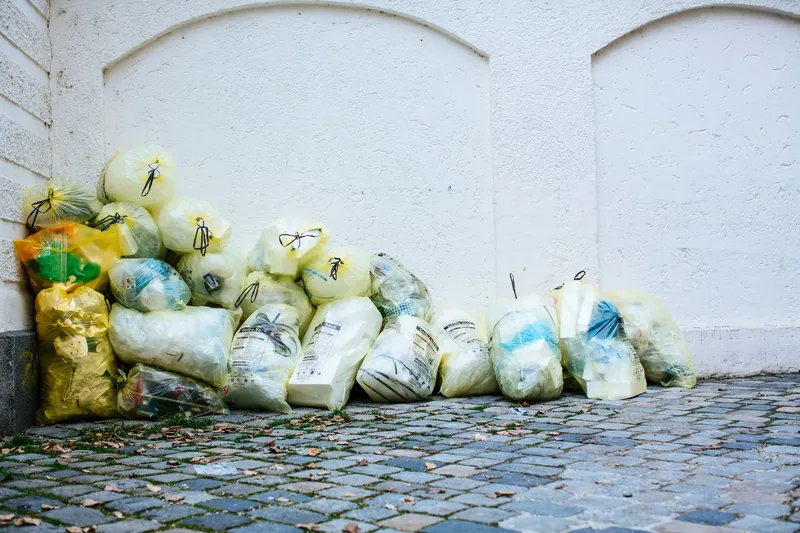
Cleanup and disinfection remove guano from birds or bats in attics and structures.
See bird and bat guano cleanup
Dead animals are removed from vents, walls and crawl spaces, followed by odor cleanup.
See dead animal removal and cleanup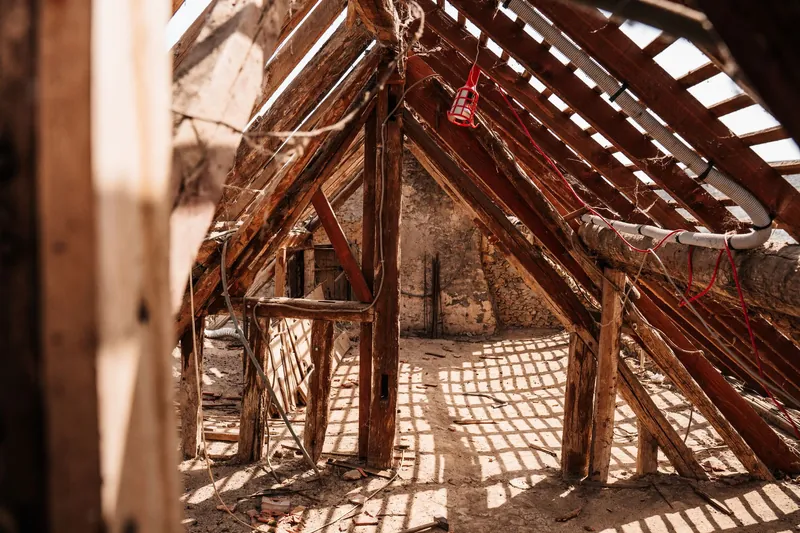
Animal hoarding cleanup addresses waste, urine-soaked materials and odors caused by ammonia.
See animal hoarding cleanup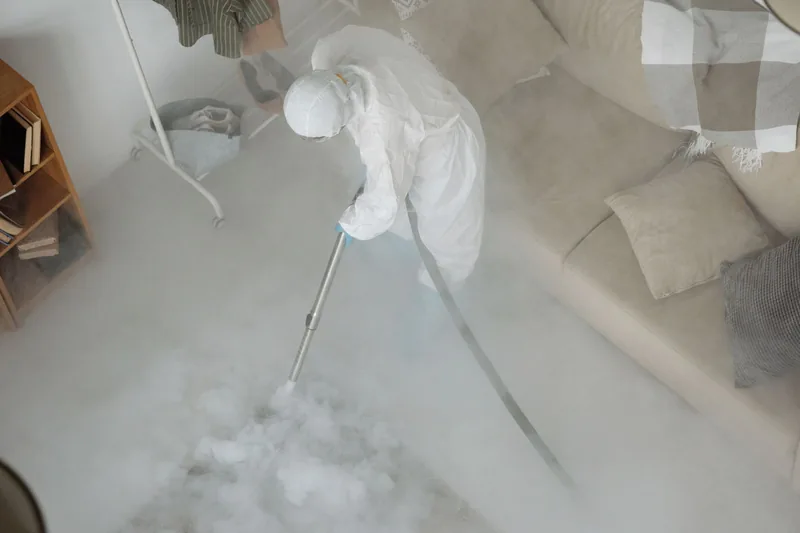
Full decontamination of rooms, surfaces and air after infectious or hazardous exposure.
See biohazard decontamination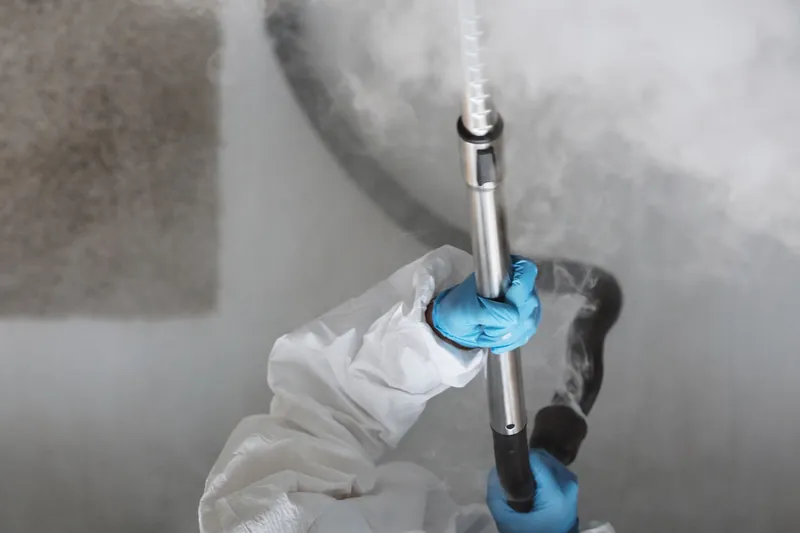
Disinfection for infectious disease uses EPA-registered products with complete coverage of surfaces.
See infectious disease disinfection
Cleanup removes filth and squalor from homes that are no longer safe to occupy.
See filth and squalor cleanup
Biohazard waste is collected in labeled, sealed containers and taken for disposal.
See biohazard waste disposal
Crawl space sewage cleanup, including soaked insulation and soil.
See crawl space sewage cleanupIt can be dangerous when dry droppings or nests are disturbed and contaminated particles enter the air. Do not sweep, brush, blow or vacuum them. With gloves and disinfectant, you may be able to wet-clean a small amount in an easy-to-reach spot. Widespread, dusty or hard-to-reach contamination calls for professional cleanup.
Some rodents found in the wild carry hantaviruses. Disturbing affected droppings, nests or urine may release material into the air that someone then inhales. Hantavirus illness does not occur often, but it may become serious. If symptoms appear following rodent contact, explain the location and timing of your exposure to a healthcare professional.
According to HazardPros, the rodent cleanup benchmark runs from $150 to $600 while waste removal and disinfection run from $600 to $1,000 and attic cleaning with insulation replacement runs from $2,200 to $6,200 overall. What you pay will vary with accessibility, affected space, insulation, smells and the volume requiring disposal.
No. The work removes nests, urine, droppings and contaminated materials. Removing active rodents and closing entry routes are separate tasks. Rodent control and entry-point exclusion are separate from cleanup. Follow cleaning with an inspection and repairs to gaps or other access points. Continue checking the space for signs of renewed activity.
An attic cleanup service can clear feces, nest material and contaminated insulation. The cleanup service removes contamination left behind, while pest control generally targets living rodents and their access points. Confirm how crews control the area and remove debris, then ask if rebuilding falls outside the cleanup scope.
A few droppings in an easy-to-reach, ventilated area may be manageable. Put on gloves and soak the waste with the correct disinfectant. After waiting for the full contact time stated on the label, collect it and seal the debris. Do not use dry cleanup methods. Professional cleanup is appropriate for large amounts, confined areas, contaminated insulation and medical concerns.
Discreet, respectful rodent droppings and hantavirus cleanup, 24 hours a day, with crews in unmarked vehicles.