Crime Scene Cleanup
Crime scene cleaning begins after police release and covers blood, odor and the affected property.
See crime scene cleanupGet blood, bodily fluids, contaminated materials and odor removed after investigators release a home, rental, business or vehicle in East Baton Rouge Parish. The cleanup scope is based on where contamination traveled.
Homicide cleanup means removing blood, other bodily fluids and contaminated material from a released property after investigative work is complete. It is a specialized type of crime scene cleanup.
While the medical examiner or coroner and law enforcement concentrate on investigative duties, they do not clean what remains at the property. Homicide cleaning can be arranged after release of the scene by an authorized person, including an owner, landlord or relative.
Ordinary cleaning services do not cover the full process. Cleanup technicians protect rooms outside the scene while locating affected material in the immediate space and nearby areas. They treat surfaces that are cleanable and remove those materials where disinfection is not possible. Odor treatment, the packaging and disposal of hazardous waste, and requested records for an insurance company are also included.
You can ask what will be cleaned, what must be removed, how waste will leave the property and what remains for restoration.
When discussing the loss with property owners and insurance companies, you can use photos, inventories, scope notes and disposal paperwork.
Before any removal choice, salvageable personal property is set aside and discussed with you.
During a painful event, privacy can be supported when you limit entry to approved people and ask that crews arrive in unmarked vehicles.
When blood or other biological material remains after a violent death, a home, vehicle, rental or business may require homicide cleanup services. Common examples are:
A bedroom, hall, living area and surrounding exposed surfaces may all require blood cleanup after the event.
After the family retrieves essential belongings and police release the unit, the landlord or authorized property manager may organize scene cleanup.
Blood that appears on the surface may travel behind trim or below flooring, leaving a wipe incomplete.
The affected area can be isolated while offices, stores, warehouses or shared spaces are assessed for contamination.
Your first steps are to respect the investigation, avoid exposure and preserve useful claim information. Before cleanup technicians enter:
Call (888) 351-0904The available homicide cleanup cost guides list $2,500 to $9,000 for a violent crime scene. They also list $2,000 to $6,000 for a smaller scene and $3,000 to $10,000 for a larger scene. These are published planning ranges, not a quote. The final scope depends on the assessment.
These ranges come from published national cost guides, not from a site visit. An on-site assessment determines your property's price, which is explained to you before the cleanup starts.
Ask about cost: (888) 351-0904A renters, commercial or homeowners policy may cover homicide cleanup costs. The particular policy, nature of the loss and applicable deductible determine coverage.
After the scene is released by police, inform the insurer about the loss. Ask about policy coverage for biohazard cleanup, affected construction materials and the restoration phase.
Victims of violent crime can ask the Louisiana Crime Victims Reparations Board, supported by the Louisiana Commission on Law Enforcement, about crime scene cleanup. The program lists it among eligible expenses. Insurance is usually checked first.
Who organizes and pays for the work may depend on ownership, the lease, applicable local law and insurance terms. The tenant and landlord should contact their respective insurance companies.
Have the insurance company identify every needed invoice, photo, item list, disposal record and scope note. Retain everything you send to the insurance company.
The remediation process follows a controlled order after scene release. Every step is based on where contamination traveled, which materials can be saved and what waste rules apply.
The authorized person identifies known affected areas, and technicians inspect nearby surfaces, floor edges, contents and possible travel paths.
A barrier separates clean spaces from the work zone. To reduce tracking into other areas, cleanup technicians wear appropriate personal protective equipment and follow work-zone controls.
Before detailed cleaning and disinfection, visible bodily fluids and blood are gathered using a method appropriate for each surface.
If carpet, drywall, pad, subfloor or upholstery cannot be thoroughly disinfected, removal is limited to the minimum workable area.
Each retained surface receives detailed scene cleaning, then an EPA-registered disinfectant stays wet for its full label contact time.
Once the source is gone, air filtration and targeted treatment can address odor in room air, remaining materials and connected spaces.
Applicable rules guide the sealing, labeling and movement of contaminated waste, while available disposal documentation is kept.
A final check covers finished work, the agreed return of saved personal property and a list of removed finishes for restoration services.
Call any hour. A homicide cleanup specialist answers, explains the steps and agrees a start time with you.
Serious health risks can come from blood, bodily fluids and contamination you cannot see. The concern remains even if visible signs seem dry or limited.
Seeing the affected space can cause loved ones deep distress. Professional cleanup lets family members avoid direct contact with the affected space and personal property.
Fluids may travel into carpet padding, joints, grout, walls and the subfloor. Material concealed behind or under a surface remains after only the visible spot is cleaned.
Hepatitis C, HIV and hepatitis B may be present in blood. The CDC says hepatitis B can survive on surfaces for at least seven days, so dried blood still requires careful controls.
Can you clean it yourself? A small amount of fresh blood on a hard, non-porous surface may be cleaned with disposable gloves and an EPA-registered disinfectant used for its full label contact time. When blood enters carpet, drywall, wood, fabric or an area without clear limits, avoid the space and get professional cleanup.
Porous material usually comes out after it absorbs blood. Non-porous surfaces can often be kept, provided that every exposed section is accessible and can be disinfected.
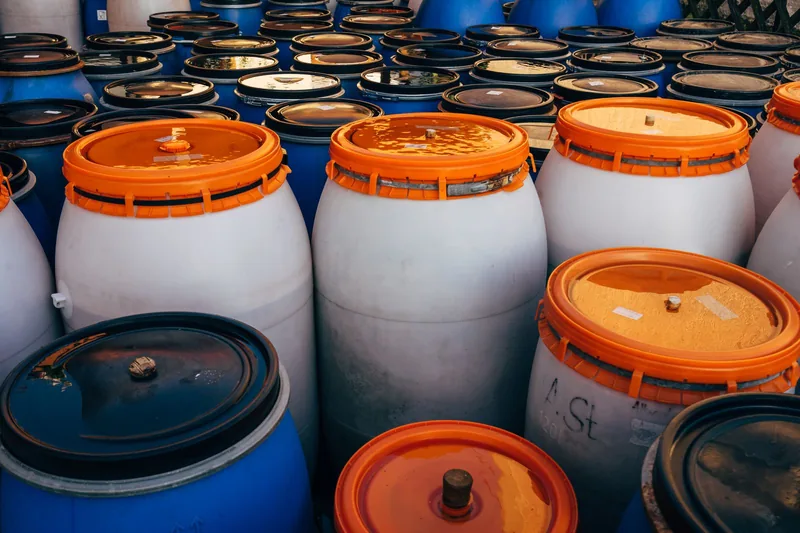
Under the OSHA Bloodborne Pathogens Standard, 29 CFR 1910.1030, workers are subject to requirements covering training, exposure controls and protective equipment.
Use an EPA-registered disinfectant suitable for the purpose, and leave the surface wet throughout the contact time on the product label.
Louisiana treats soaked materials from a biohazard scene as potentially infectious biomedical waste. Louisiana Department of Health sanitary code rules control how it is packaged, stored and transported, so it cannot go in household trash.
Louisiana has no statewide medical examiner. Each parish has an elected coroner who investigates deaths involving violence, accidents or suspicious circumstances. Cleanup starts after police or the coroner release the scene.
Homicide cleaning has no set schedule. Scene size, access, contamination depth, room count and the volume of material requiring removal all affect timing. The initial assessment allows for a more useful timeline.
The full homicide cleanup guide covers what is cleaned or removed, odor and air quality work, and the rules that apply in your state.
Read the full homicide cleanup guideLocal population patterns, housing and site access may affect how containment and cleanup are planned.
Oakwood is listed about 3.0 miles from Ochsner Medical Center, Baton Rouge, a relevant distance when prompt evaluation follows a biohazard exposure.
With Forest Oaks, Red Oak, and North Red Oaks close by, accurate street and unit details help avoid confusion during a sensitive response.
In Oakwood, identifying the correct building entrance can reduce unnecessary movement through shared spaces during a sensitive cleanup.
Ask on the call about cleanup options for neighboring communities and ZIP codes.
Crime scene cleaning begins after police release and covers blood, odor and the affected property.
See crime scene cleanup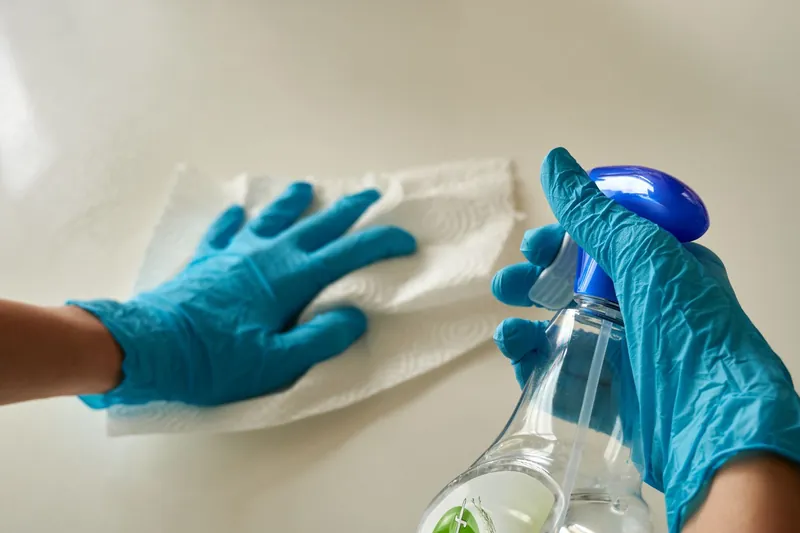
Blood cleanup on carpet, hard floors, walls and furniture with safe disposal.
See blood cleanup
Trauma scene cleanup is needed after violent events, accidents and injuries.
See trauma scene cleanup
Cleaning a home after someone dies, including fluids, odor and affected belongings.
See death cleanup
Families are spared from facing the scene through discreet and considerate suicide cleanup.
See suicide cleanup
When a death remains undiscovered for days, cleanup addresses decomposition and controls odors.
See unattended death cleanup
Forensic cleaning of blood also covers investigation residue, tissue and fingerprint powder.
See forensic cleaning
At the source, death odor removal uses air scrubbers plus hydroxyl and ozone treatment.
See death odor removalPublished homicide cleanup cost data lists a violent crime scene at $2,500 to $9,000. While the smaller range is $2,000 to $6,000, costs for a larger scene are listed at $3,000 to $10,000. Police release status, scene dimensions, depth of contamination, number of rooms and disposal requirements all affect the scope.
After your deductible, insurance might pay part or all of the covered expense, but the answer differs for every policy and every situation. Give the insurance company the claim details and ask about emergency response work, biohazard cleanup, building materials and restoration. Keep photos, scope notes, invoices and disposal records.
Whether homeowners coverage applies to homicide scene cleanup depends on what happened, the policy wording, its deductible and any exclusions. The same is true for death cleanup. Contact the insurer before work begins. Before work starts, find out which documents are required and ask about biohazard cleanup, personal property, restoration and damaged materials.
Each falls under death cleanup and trauma scene cleanup, yet the conditions may not be the same. Until law enforcement releases a homicide scene, it stays under official control and may contain residue from evidence processing. Time between death and discovery means an unattended death may involve decomposition along with more extensive odor issues.
Once investigators approve entry, professional homicide cleaners can begin cleaning the murder scene. Tasks can involve removing absorbed fluids, setting containment, completing detailed cleanup, applying disinfectant, odor removal and waste disposal. A family member should neither enter nor attempt cleanup if blood or bodily fluids remain in an area.
Yes, one property can contain several distinct hazards. After evidence limits are lifted, hoarding cleanup services can address the large volume of contents. Sewage cleanup may be needed after a sewage backup, and water damage may require drying. Each hazard needs a separate disposal plan, cleaning process and containment setup.
Crews carry out respectful, discreet homicide cleanup, arrive in unmarked vehicles and take calls 24 hours a day.