Fentanyl Decontamination
After fentanyl exposure, decontamination addresses rooms, vehicles and other surfaces.
See fentanyl decontaminationGet meth residue testing, decontamination, material removal and clearance steps for a home, rental, business or vehicle in Mayfair Park. Keep people out of affected areas until the property has been assessed.
When drug-production chemicals or methamphetamine residue contaminate a vehicle, business, rental or home, meth lab cleanup covers the necessary testing, cleaning and removal.
Residue may remain even though a property appears clean. Walls, appliances, ceilings, belongings, floors and cabinets can collect meth smoke. Sites used for production may hold fuels, solvents, acids, unknown mixtures and salts as well. Because these materials are hazardous, no one should begin normal cleaning or relocate containers before the site is carefully assessed.
The biohazard remediation process should follow the testing results and the rules for the property location. Cleanup technicians isolate the affected area, use protective equipment, remove materials that cannot be cleaned, wash remaining surfaces and address the air system when needed. Post-remediation samples then show whether the tested areas meet the applicable clearance level.
Containment zones paired with clean routes reduce the spread of dust, equipment and contaminated materials into other parts of your building.
Before remediation, you should receive a written plan covering clearance steps, cleaning methods, affected areas, removal decisions and the basis for testing.
Belongings are considered by material and condition, so you know what may be cleaned and what may need to be discarded.
Your cleaning service should organize photographs, work notes, waste paperwork and sampling reports into a clear file so you can move forward after clearance.
Testing or a trustworthy property history may indicate contamination caused by meth production or use. In that case, the property needs meth decontamination cleaning services. Its history and test findings guide each situation. Examples include:
Suspected meth use requires a controlled evaluation of the room or unit, including surrounding areas when supported by the evidence.
A landlord or property manager learns of suspected drug activity after a tenant leaves and needs testing before repairs or a new tenancy.
A car, recreational vehicle or truck may have contamination across its seating, flooring, interior trim and ventilation surfaces.
Work pauses when contractors encounter unusual containers, evidence of chemical staining or an old notice, before contaminated dust can spread.
Before professional cleanup, focus on keeping people from exposure and residue from moving beyond the affected space. Take these actions:
Call (888) 351-0904Published figures from PushLeads set the typical cleanup average at $15,000 to $20,000. Its broader meth lab cleanup range begins at $5,000 and reaches $120,000 depending on the scope. Repeated smoking confined to one space is unlike chemical production affecting a whole property. Material removal, testing, local clearance requirements and work on the air system also affect the final scope.
Published national cost guides are the source for these ranges, rather than an inspection of your property. An on-site assessment determines your property's price, which is explained to you before the cleanup starts.
Ask about cost: (888) 351-0904Coverage for meth contamination depends on both the cause and insurance policy, which may exclude pollution, vacancy, criminal acts or contamination. Report what was found and ask about available insurance assistance. Before approving work that is not an emergency, request the coverage decision in written form.
After law enforcement preserves evidence and releases the site, the property owner typically needs to set up environmental assessment and remediation.
Keep photographs, lab results, the police release, remediation scope, waste paperwork, invoices and the clearance report in one organized file.
Explain to the insurance company how you found the contamination. Ask whether coverage includes sampling, remediation, loss of use and removed building materials.
Property owners often arrange assessment and cleanup for a rental. Cost recovery involving a tenant remains distinct from the work needed to make the building safe.
Meth lab cleaning proceeds through a deliberate series of stages. The assessment and testing plan for the property guide every stage, along with the clearance requirements in effect at its location.
Ask cleanup technicians, before they start, to describe how they assess the property's past, formal police release, hazards you can see, the room arrangement, ventilation and potential paths of contamination.
A baseline and the affected areas can be established through surface sampling. Sampling locations and methods should follow the applicable local protocol.
The cleanup document explains how to contain the area, what to remove or clean, how contents are treated and which clearance steps finish the work.
Clean spaces remain isolated from the work zone. Protective gear for cleanup technicians must match the dust, chemical risks and residue discovered at the property.
Items that cannot meet the necessary standard after cleaning, such as carpet, underlay, insulation, upholstered furnishings and harmed building materials, may be taken out for waste disposal.
Material-specific methods are used in a controlled sequence to clean the remaining walls, ceilings, floors, fixtures and cabinetry.
Movable contents and the HVAC system receive separate evaluations. Test results and condition determine whether belongings need cleaning, separation or disposal.
Final sampling follows completed cleaning and determines if the property needs more work before people return.
Call at any time. A specialist in meth lab cleanup takes your call, explains each step and agrees on a start time with you.
Serious health risks may remain at a former meth property, even without a strong smell. Exposure can occur from residual production chemicals, skin contact or contaminated dust.
Residue may land on toys, worktops, flooring, walls and other high-touch belongings. You cannot determine clearance compliance from a surface's appearance alone.
Pre-test demolition of drywall or carpet can spread dusty residue onto work tools, garments and uncontaminated parts of the building.
Pets and children frequently contact objects and floors. While you wait for cleanup and test results, keep children and animals outside the affected area to reduce contact.
Can you clean it yourself? Never approach possible meth residue like an ordinary minor spill at home. Ordinary cleaning supplies do not reveal how widely residue spread or prove compliance with local clearance requirements. The safer approach starts with tests and a plan specific to meth remediation.
Several workdays may be needed when meth contamination is confined to one area. For an extensive production site, cleanup can continue for several weeks. The schedule is driven more by material removal, testing turnaround, clearance samples and repeat cleaning than by the number of rooms.
| Scene | Typical time on site |
|---|---|
| A small area with limited residue | Often several workdays, plus laboratory time |
| Several rooms or HVAC involvement | Often one to several weeks |
| Former production site with chemical damage | May take several weeks and more than one clearance round |
Odor is not a reliable meth test. A sharp chemical smell can warn you to leave, but a property can have surface residue with little or no noticeable odor. Do not enter to investigate a smell or use fragrance to cover it.
Odor and air quality treatment starts by controlling the contamination source. Before cleaning the air can help, the work must address porous materials with contamination, chemical products from production and dust that has settled. Connected rooms, HVAC equipment, filters and ducts may all be assessed. Required samples should determine clearance, not the presence or absence of a clean smell.
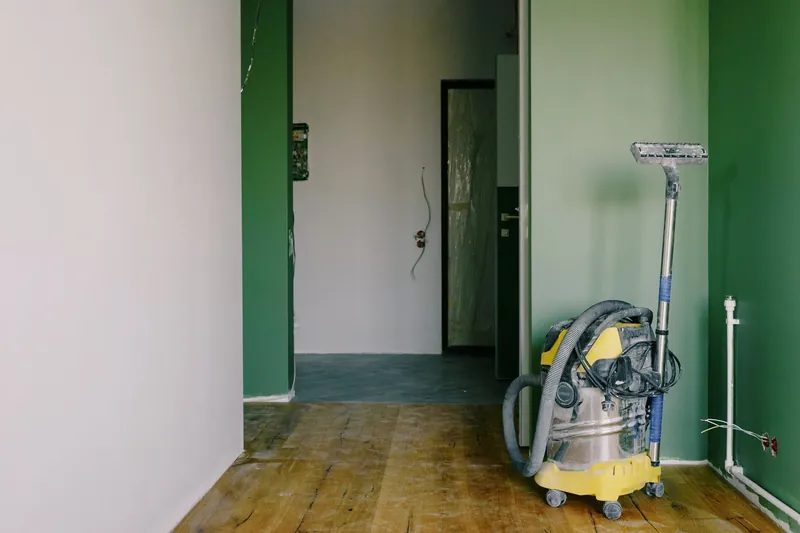
Each state and local authority may set different requirements and clearance thresholds. Ask the health, environmental or building authority which standard applies before cleanup begins.
Testing plans, lab methods and clearance records may have to comply with locally established procedures. Keep records because owners, buyers, tenants or officials may request them.
Do not assume unidentified substances or affected debris belong in ordinary household garbage. How waste is classified and discarded varies with its contents and the rules in your area.
Manage needles or infectious waste apart from any associated drug-related materials. (Louisiana treats soaked materials from a biohazard scene as potentially infectious biomedical waste. Louisiana Department of Health sanitary code rules control how it is packaged, stored and transported, so it cannot go in household trash.)
The full meth lab cleanup guide covers what is cleaned or removed, odor and air quality work, and the rules that apply in Louisiana and East Baton Rouge Parish.
Read the full meth lab cleanup guide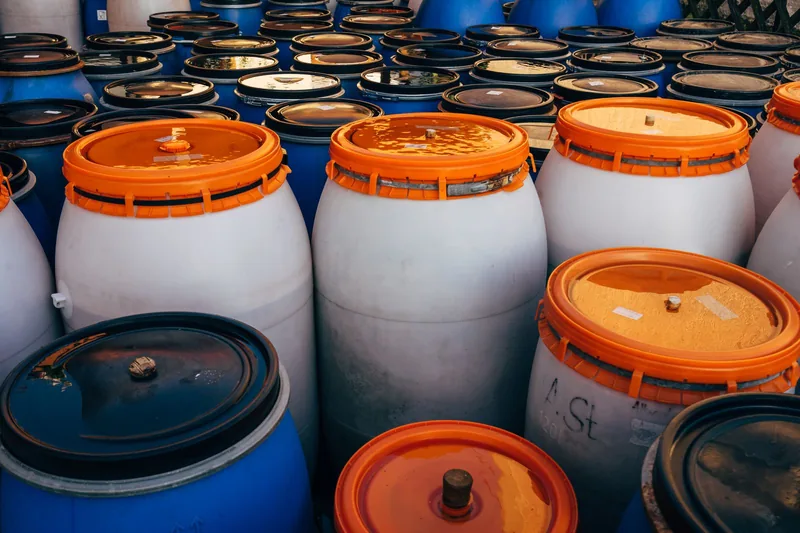
Local housing, population and access details can shape containment, access and cleanup planning.
If direct exposure occurs, the closest listed emergency option is Baton Rouge General Medical Center, about 2.5 miles away, not the cleanup site.
The location sits near Mayfair Heights, East Mayfair Park, and North Mayfair, making local landmarks helpful when a property entrance is hard to find.
Neighborhood level directions help narrow the location, but crews still need entrance details before bringing containment and cleaning equipment inside.
Your phone conversation can include questions about service in nearby ZIP codes and communities.
After fentanyl exposure, decontamination addresses rooms, vehicles and other surfaces.
See fentanyl decontamination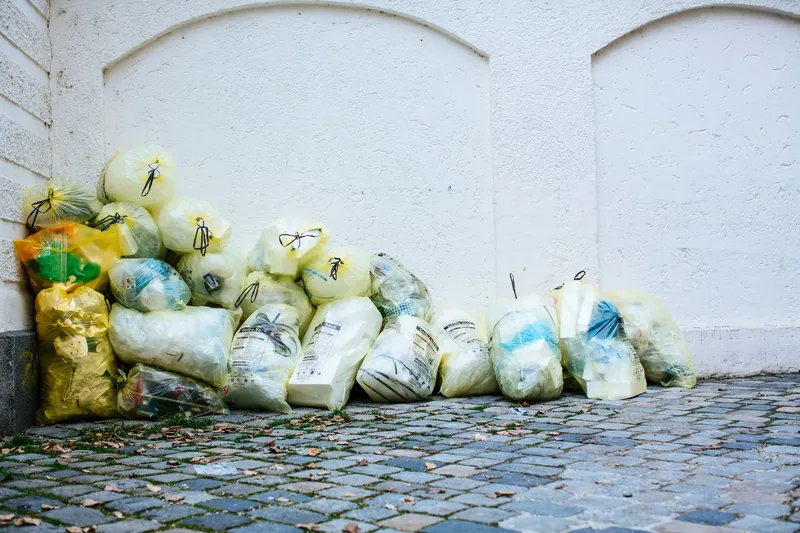
Needles, drug residue and pipes are removed from properties and rental units.
See drug paraphernalia cleanup
Cleanup of a grow house addresses mold, chemicals and harm caused by indoor cultivation.
See marijuana grow house cleanup
Hazmat cleanup uses the appropriate protective equipment for hazardous materials.
See hazmat cleanup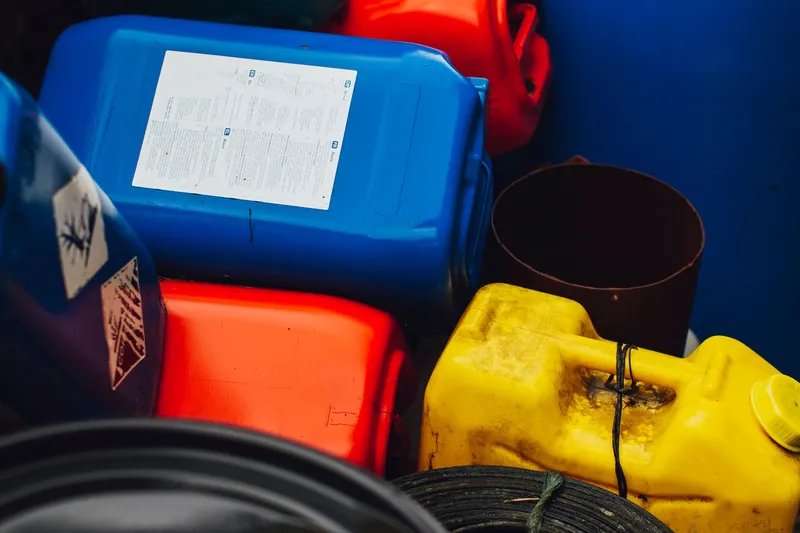
Safe disposal is included with chemical and toxic waste cleanup.
See chemical and toxic waste cleanup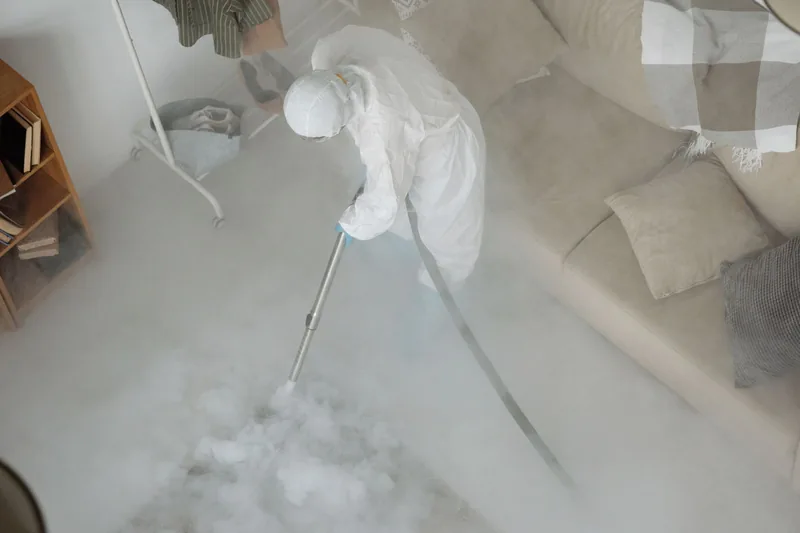
Complete decontamination treats the room, its surfaces and the air after a hazardous or infectious exposure.
See biohazard decontamination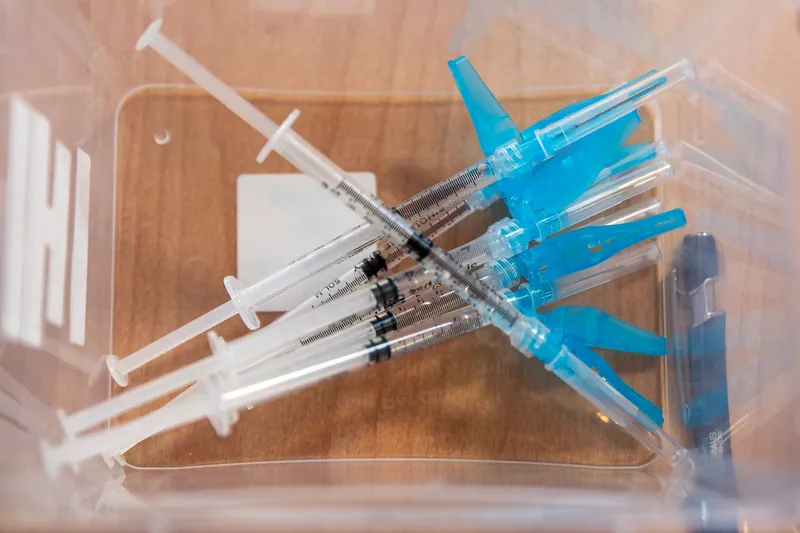
Cleanup removes sharps and needles from parks, rental sites, yards and encampments.
See needle and sharps cleanup
Hotels, rental properties and Airbnb units receive biohazard cleanup.
See hotel, airbnb and rental biohazard cleanupDo not assume a property is ready because it looks or smells clean. Before anyone reoccupies the property, follow both your area's applicable standard and the proper public or environmental authority's written recommendation. Post-remediation sampling creates objective evidence and shows whether more cleaning is needed.
Material type, condition, value and residue level should guide an individual assessment of each belonging. Some hard, washable items may undergo cleaning. Books, soft furnishings, carpets and similar absorbent materials may be difficult to decontaminate. Your remediation scope should identify belongings for separation, cleaning, sampling or disposal.
Coverage depends on policy language, the contamination's origin and any vacancy, criminal-act, pollution or contamination exclusion. Contact the insurance company with details of the discovery and ask about coverage for clearance sampling, temporary housing, removed materials, testing and remediation.
For a meth lab property contaminated by methamphetamine deposits or drug-making chemicals, the remediation process uses controlled cleanup methods. Under property rules, cleanup involves containment, assessment, removal when materials cannot be cleaned, surface testing, decontamination of what remains and clearance sampling after remediation.
Cleanup can last several workdays in a restricted area or several weeks at a production property spanning multiple rooms. The timeline depends on laboratory turnaround, removal of porous materials, repeated cleaning, HVAC work and testing after remediation. Another cleaning round may be needed if clearance samples remain above the applicable level.
Drug-making chemicals can sometimes create a harsh smell like solvent, although scent by itself cannot establish residue or clearance. Residue may exist in a building even when you detect no odor. Leave if chemical odors are strong, avoid touching containers and rely on surface sampling and the applicable standard.
Respectful, discreet meth lab cleanup is available 24 hours a day, and crews arrive in unmarked vehicles.