Unattended Death Cleanup
Cleanup after an undiscovered death includes odor control and the effects of days of decomposition.
See unattended death cleanupRemove decomposition odor at the source in a home, apartment or rental in Mayfair Heights. Cleanup can include contaminated material removal, disinfection, air filtration and careful sorting of belongings.
Death odor removal means cleaning decomposition residue, taking out affected materials and treating lingering smell in the air rather than hiding it with fragrance. This cleanup addresses the underlying source along with the air.
A death can leave decomposition odor beyond the place where the person was located. The smell may enter carpet and furniture, collect within a wall, or reach heating and cooling systems. Covering it with deodorizer does not resolve the cause. First, the affected source has to be located and removed.
An official property release must come before cleanup. It may be issued by a medical examiner or coroner, another authority or law enforcement. Cleanup crews examine the affected space and nearby areas. They follow contamination below surfaces and sort clean possessions from impacted ones. Materials that are porous may have to be removed if they absorbed fluids, while hard, non-porous surfaces are often suitable for cleaning and disinfection.
With the source gone, crews may use controlled ozone treatment, HEPA air filtration or hydroxyl treatment to remediate odor. Method choice depends on the affected materials, building conditions and whether the treatment space can remain unoccupied. Professional cleaning services should explain why a method fits the property.
The pre-cleanup discussion tells you what areas need work and which materials might remain or be taken out.
Cleanup details, photographs and disposal documentation can be prepared so you can move forward with your landlord, property manager or insurance company.
Crews do not discard keepsakes, paperwork or unaffected belongings without your awareness, leaving those decisions to you.
Calls are answered day and night, and crews arrive in unmarked vehicles to protect your privacy at a difficult time.
Death odor cleanup is needed when a smell remains after the deceased has been removed or when decomposition fluids reached the property. Common situations include:
Carpet, furniture, personal property, drywall or subfloor absorbed the smell and could hold unseen residue as well.
The impacted unit requires cleaning for a landlord or property manager before painting, repair work or future occupancy.
Smell moved into a hallway, adjoining unit or shared air system and needs to be traced without exposing other residents.
Contamination hidden below the floor, within a wall void or in another concealed spot made paint, fragrance or surface cleaning ineffective.
Wait for an official release and restrict entry in the meantime to help protect both you and the property. Cleanup technicians need the following information before beginning death odor remediation:
Call (888) 351-0904Prices listed for death odor removal by BioCleaners Directory are $6,000 to $15,000 when an extreme case calls for structural work and $3,500 to $6,000 for severe odor. Moderate cases range from $1,500 to $3,500 in cost, while mild odor ranges from $500 to $1,500 in cost. Cost varies with the source, affected material and the extent of contamination travel.
These national ranges are taken from published cost guides, rather than a property visit. After an on-site assessment, the price for your property is determined and shared with you before cleanup begins.
Ask about cost: (888) 351-0904Insurance for a homeowner, renter or landlord may cover cleanup of death odor, depending on whether the policy includes the event. Coverage terms, exclusions and deductibles vary. When possible, the property owner should report the loss prior to beginning repairs.
Contact the insurer about the loss when you are able. Ask about biohazard remediation, odor treatment, removal of damaged building materials and repair coverage under your policy.
Homeowners or renters insurance, the estate or the property owner usually pays for this kind of cleanup. The Louisiana crime victim compensation program helps only when a crime caused the loss.
Ask the adjuster to list requirements for photos, repair details, disposal documentation and the cleanup scope. Store your claim number with all receipts.
In rental housing, arrangements for building cleanup are commonly made by the manager or property owner. Responsibility for personal belongings may be treated separately.
A source-first approach guides death odor removal. Before any air treatment, cleanup and removal of affected material take place because equipment cannot resolve contamination that remains within the structure. Clean spaces are kept apart from the work zone during every stage.
Technicians inspect the affected room, nearby spaces, flooring edges, contents and air returns to map where odor and residue may have traveled.
The affected workspace is kept apart from unaffected rooms. Crews manage airflow while wearing protective gear and using equipment matched to the exposure.
Visible residue is removed first. Carpet, pad, mattresses, upholstered furniture, drywall or subfloor sections are removed when they cannot be fully cleaned.
Hard surfaces left in place receive cleaning followed by an EPA-registered disinfectant used for the entire contact time on the label.
HEPA air scrubbers filter the work area. Hydroxyl or another suitable treatment may address odor that remains after source removal.
Crews look for odor and residue in the affected area, including nearby registers and ventilation parts they can access, so moving air does not spread the problem.
Impacted material is labeled, sealed and removed for disposal following the rules in effect locally and statewide.
The affected space receives a follow-up inspection once treatment ends. You receive records for every step, showing what was cleaned, what was removed and what repair work remains.
You can call anytime. A death odor removal specialist answers, explains the steps and agrees a start time with you.
Smell can indicate that the source has not been fully removed. The serious health risks come from decomposition fluids, hazardous material and contaminated contents, which may expose you through contact or spread into clean parts of the property.
Applicable medical waste rules require controlled packaging for materials contaminated by bodily fluids, followed by hazardous waste disposal. Never place those materials with normal household garbage.
Floor openings, porous items, air system components and wall cavities may continue holding odor. The smell returns when air treatment occurs without taking out the underlying sources.
Fluids can pass through carpet and pad, follow seams, and soak into wood, subfloor or drywall. A clean-looking surface does not show what is underneath.
Can you clean it yourself? The strength of an odor is not a measure of safety. A barely noticeable odor can come from contamination hidden in an absorbent item or beneath a floor. Arrange for professional assessment and keep the area shut if fluids were left after a death or the source is unknown.
Death cleanup involves a material-by-material decision. Clean, non-porous surfaces can often stay after proper cleaning and disinfection. Porous materials that absorbed decomposition fluids usually need removal because contamination can remain below the surface.
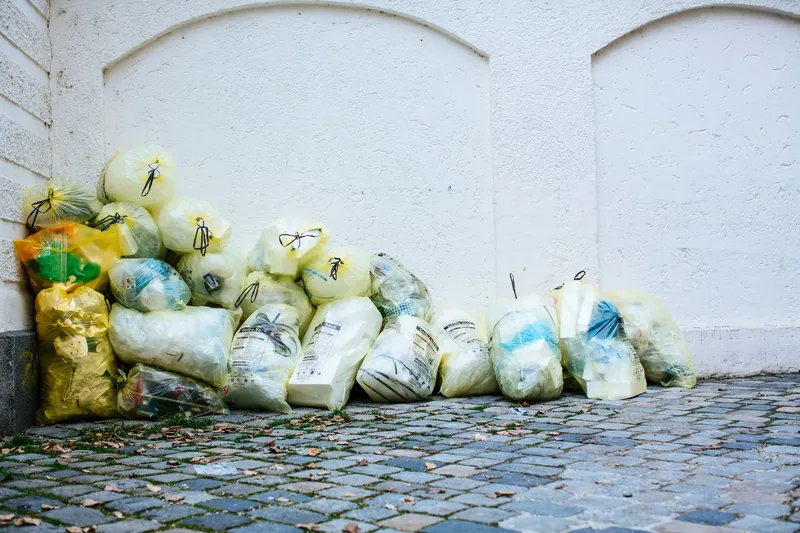
For a contained death odor cleanup, on-site time may range from one day through three days. The schedule can extend when contamination soaked into the structure, spread to several rooms, or left removed walls and floors that require repairs in a separate phase.
| Scene | Typical time on site |
|---|---|
| Mild odor with no structural removal | Often one day |
| One affected room with absorbent materials removed | Often one to three days |
| Several areas or structural contamination | Several days, plus repair time |
Decomposition odor removal starts by locating every affected material. Fragrance, paint and fogging cannot replace source removal. If carpet, subfloor, furniture or drywall absorbed fluids, that material must be cleaned fully or removed before air treatment begins.
Airborne particles can be captured by HEPA scrubbers as cleanup proceeds. Remaining odor may be treated with hydroxyl when that method is appropriate. Strict controls are required for ozone since it can irritate your lungs. People, plants and pets must leave the treatment area, then wait for proper ventilation before entering again.
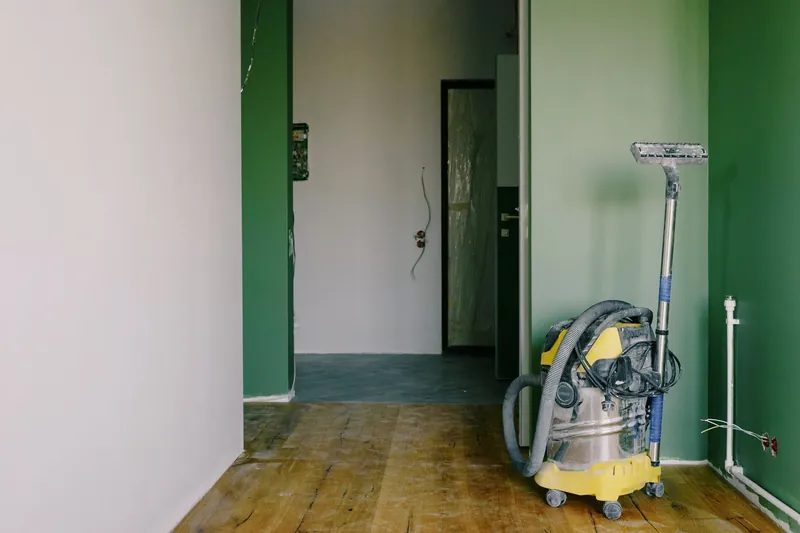
The full death odor removal guide covers what is cleaned or removed, odor and air quality work, and the rules that apply in Louisiana and East Baton Rouge Parish.
Read the full death odor removal guideLocal housing, population and access details can shape containment, access and cleanup planning.
For an injury during discovery, Baton Rouge General Medical Center is the nearest listed hospital at approximately 2.3 miles away.
The location sits near North Mayfair, Mayfair Park, and Lynwood Village, making local landmarks helpful when a property entrance is hard to find.
A neighborhood address can differ from its broader city label, making the full street and unit information important for discreet cleanup access.
Your phone conversation can include questions about service in nearby ZIP codes and communities.
Cleanup after an undiscovered death includes odor control and the effects of days of decomposition.
See unattended death cleanup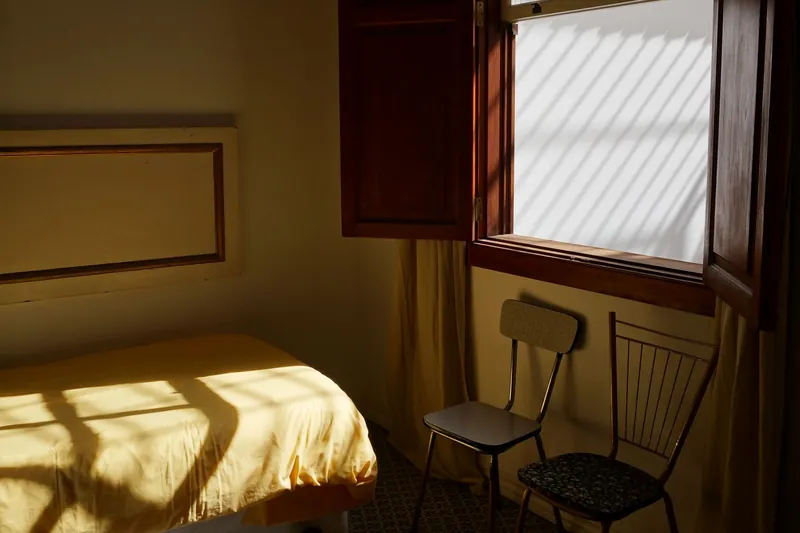
Cleaning a home after someone dies, including fluids, odor and affected belongings.
See death cleanup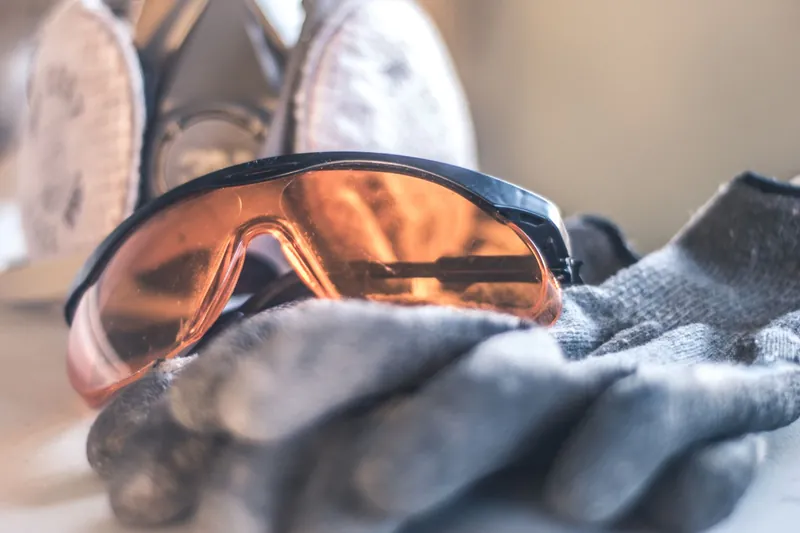
Cleanup clears fluids from decomposition out of floors, subfloors and furnishings.
See decomposition cleanup
Care for the family's home guides cleanup when a death has been found quickly.
See attended death cleanup
An estate cleanout after someone dies covers careful sorting and safe removal of belongings.
See estate cleanout after a death
Any property receives disinfection after removal of infectious materials, including bodily fluids and blood.
See biohazard cleanup
Trauma scene cleanup addresses the aftermath of accidents, injuries and violent incidents.
See trauma scene cleanup
Biohazard cleanup for hotels, Airbnb units and rental properties.
See hotel, airbnb and rental biohazard cleanupOnce the scene is released, cleanup is generally arranged by the landlord, property owner, estate representative or family. A professional cleanup crew can remove contamination and odor. Replacement of removed construction materials, such as drywall or flooring, may require a different contractor.
Responsibility depends on the lease, the policy and what was affected. Cleanup of the rental and its structural materials is commonly arranged by a property manager or landlord. The family or estate might need to address personal property. Both parties should contact their insurance companies before belongings or materials are taken out.
First, you need to remove the odor's source. Affected subfloor, drywall, furniture, padding or carpet may need to come out. Remaining hard surfaces are cleaned and disinfected, then air scrubbers and a suitable odor treatment address what remains. Fragrance cannot eliminate decomposition smell.
First, verify that authorities have released the property. Contact your insurance company and keep the affected space shut, while separating biohazard cleanup from ordinary estate work. An assessment should happen before anyone relocates contaminated belongings. You may next sort clean personal items and loved ones' keepsakes with an estate representative or family member.
Ozone may reduce remaining odor after contaminated material has been removed, but it does not clean decomposition fluids or make a contaminated surface safe. Lung irritation can result from ozone exposure. The controlled treatment area should remain empty and be ventilated before any person or pet returns.
When odor returns, some part of the source usually remains. Fluids may have entered carpet padding, wall cavities, subfloor, furniture or parts of the ventilation system. Lasting odor removal requires correcting every affected area because fragrance or surface-only cleaning improves the smell only briefly.
You can request respectful, discreet death odor removal 24 hours a day, and crews use unmarked vehicles.