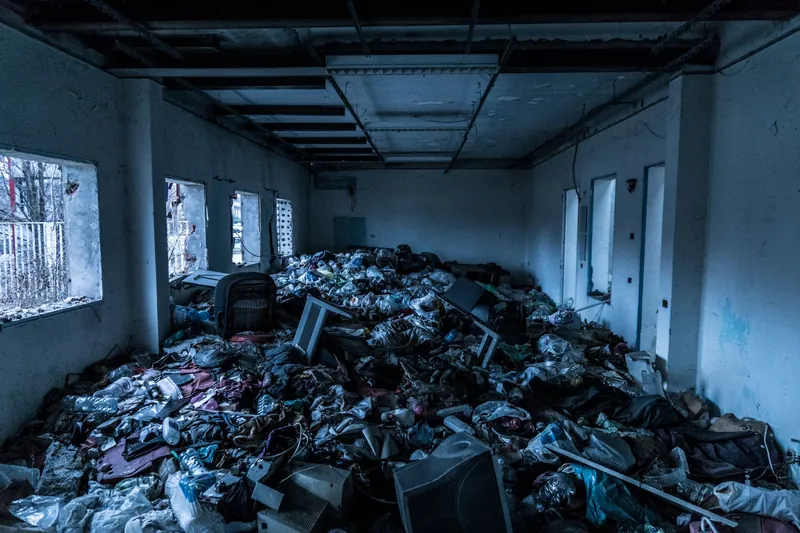
Hoarding Cleanup
Deep cleaning, respectful sorting and removal are all part of hoarding cleanup.
See hoarding cleanupClear built-up waste, remove contaminated materials and deep clean an unsafe home with a plan that protects important belongings and explains each stage.
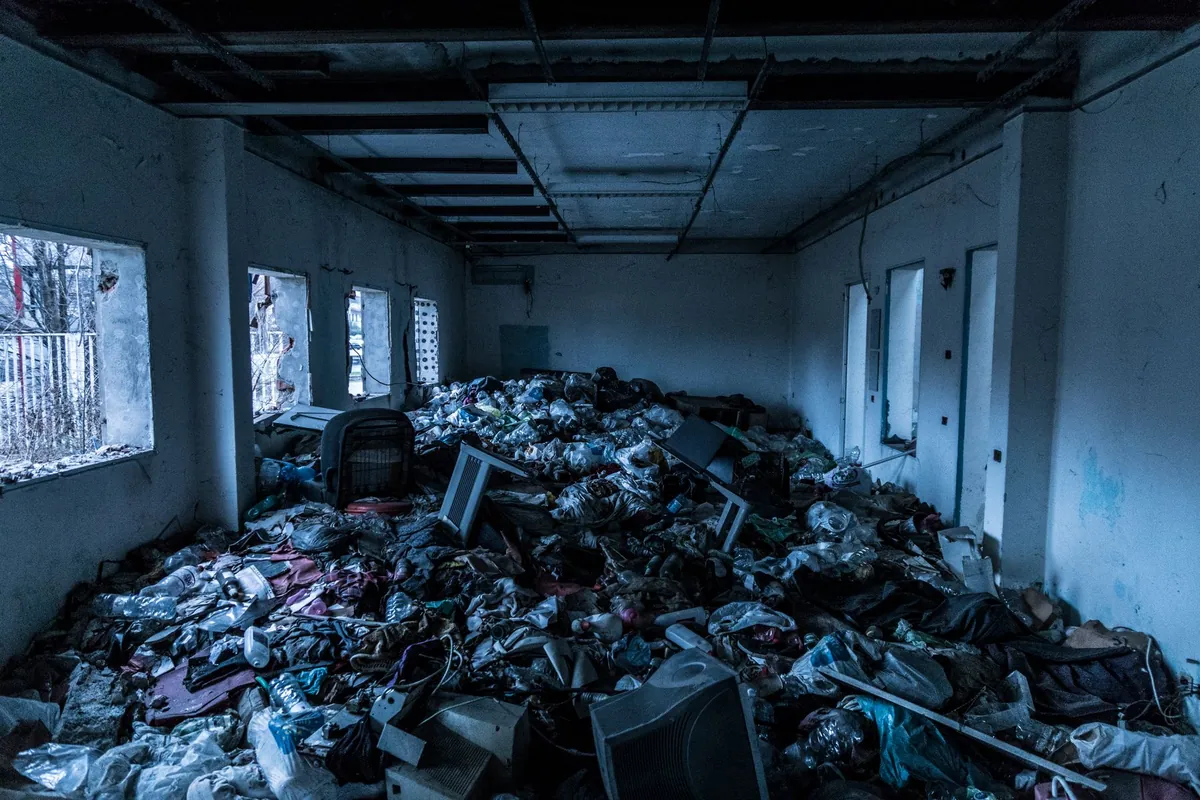
Filth and squalor cleanup is the removal of collected trash, spoiled matter and hazardous waste, followed by cleaning and disinfection that makes affected spaces safer to use.
The word squalor refers to a property's condition, rather than the person who lives in it. Illness, grief, limited mobility, plumbing trouble, pests or an extended lapse in routine cleaning can lead to decline. Cleanup should address what is present and identify useful next steps without placing blame.
A cleanup may clear walking routes, sort possessions, discard food and household refuse, wash kitchens and bathrooms, and address lingering odors. The plan must change if the site contains feces, urine, sewage, blood, unsecured sharps or other contamination. In that case, technicians may need protective equipment, biohazard remediation, separated work areas and an appropriate disposal route.
Some filth cleanup jobs differ from clearing out the entire home. Severe sanitation concerns can exist even when only a small number of possessions are wanted. Some spaces must be sorted with care to make any surface accessible. The right cleaning service should base the scope on the affected area, the materials left behind and the decisions you want to make about personal items.
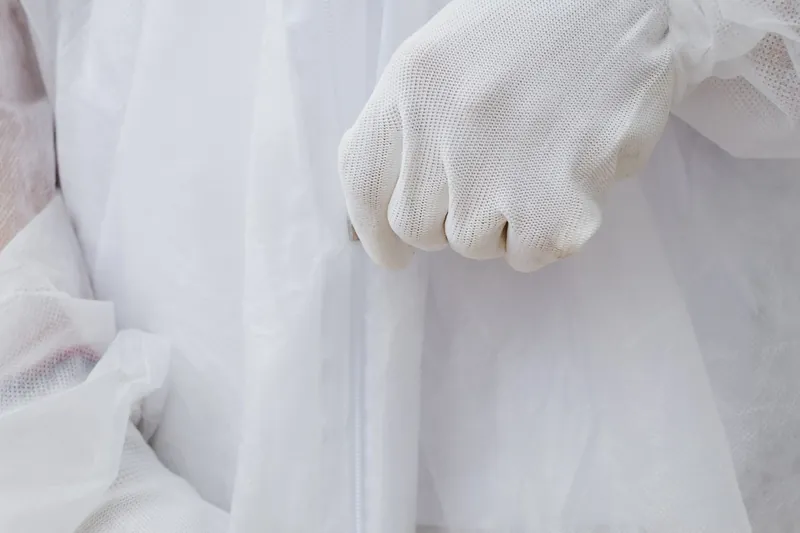
For risks such as pests, spoiled material, loose sharps and bodily fluids, the protective gear, containment and waste disposal method should fit conditions found. Your cleanup plan should set out each step.
The plan separates contents removal, deep cleaning, disinfection, odor treatment and repairs so you can understand what the cleanup involves.
The cleanup process is explained plainly and without criticism. Documentation covers individual rooms, and your objectives guide decisions about sanitary conditions and safety.
Workers use unmarked vehicles when arriving. To limit unwanted attention, loading points and active work areas can be positioned thoughtfully.
Filth cleanup may be appropriate when affected spaces cannot be reached or restored safely through normal housekeeping. Common examples include:
You may struggle to access or use appliances, counters and floors because of grease, spoiled food, pests or leaking bags.
A health emergency, hospitalization or mobility limits can leave more food waste, trash and bathroom residue than you can address safely alone.
A safe return after an absence or medical care depends on sanitized conditions, passable routes and rooms that function.
An authorized manager, property owner or tenant may require records of affected rooms and removal of leftover waste before repairs or new occupants.
Protect everyone nearby before making choices about the home. Waste should not be moved quickly while its hazards remain uncertain. If a fire, medical emergency or safety danger is active, call law enforcement or the applicable emergency response service before any cleanup work begins.
Call (888) 351-0904Planning information in Published guides places hoarding with biohazards from $3,000 to $20,000 in range. It places biohazard-level hoarding from $2,000 to $25,000 in range. Yelp lists human waste cleanup at $400 to $1,500 as an average range. These related figures do not set a squalor job's actual scope, which changes with material damage, pests, odor work, waste type and buildup extent.
Published national cost guides are the source for these ranges, rather than an inspection of your property. You learn what your property will cost after the on-site assessment and before any work begins.
Ask about cost: (888) 351-0904Coverage may apply when the damage resulted from a covered event, but insurers often view general cleaning, waste accumulation and routine neglect another way. The decision comes from your policy and documentation of what caused the damage.
The lease, property condition and local requirements can affect who arranges access and payment. Do not discard a tenant's possessions until an authorized person approves what will happen.
Confirm the cause of loss, documentation requirements, affected areas within coverage and whether the claim treats restoration, sanitation and removal separately. Insurance assistance may involve arranging the documents needed by your adjuster.
Check with the insurance company about whether a covered plumbing loss or another sudden event caused some damage. The insurer may evaluate cleanup outside that incident as a separate matter.
An executor or other authorized representative should confirm who can approve removal, sign the scope and make payment decisions before personal property is moved.
The details vary by situation, but each remediation follows an organized path through safety checks, sorting, removal, thorough cleaning and the final walkthrough. This sequence stops contaminated contents from crossing into finished areas again.
Cleanup technicians assess the rooms they can enter and record affected areas, waste, pests, dampness, sharp objects, blocked routes and materials that may have to be removed.
Work zones and a clean exit path are established. The hazards found determine which gloves, protective garments, eye equipment and respiratory protection are used.
Documents, medication, photographs, valuables and uncertain belongings are separated from waste so you or an authorized person can decide what happens to them.
Approved discards, garbage and spoiled items are placed in bags or other containers. Workers avoid dragging dirty bags through clean rooms or mixing sharp items into ordinary waste.
Carpet, pad, drywall, cabinets or subfloor may be removed when waste or liquid has penetrated too deeply for the material to be fully cleaned.
Workers clean exposed hard surfaces before applying a disinfectant. An EPA-registered disinfectant must remain wet for every minute of label contact time wherever disinfection is necessary.
Eliminate the smell's source before other treatment. Once sources are gone, targeted surface work, HEPA vacuums and air scrubbers may address lingering particles and odor in affected areas.
Your final inspection covers cleared rooms, kept belongings, removed materials and remaining restoration services such as pest control, drying, plumbing or construction. An explanation of any remaining work helps you move forward.
You can call anytime. A filth and squalor cleanup specialist answers, explains the steps and agrees a start time with you.
Yes. Heavy buildup can pose serious health risks if it includes moisture, waste, sharp items or unstable contents, even when its outer surface appears dry.
Broken glass, medication, sharps and leaking domestic chemicals may sit unseen beneath loose contents or within bags. Use suitable waste routes after separating hazardous materials by type.
Spoiled food and open waste may support insects or rodents. Look for nests, droppings and pest damage ahead of any pile movement or disturbance of dry debris.
A difficult living environment may be connected to illness, loss or reduced independence. Calm explanations can help residents and loved ones make clear decisions about personal property.
Can you clean it yourself? Cleaning may be reasonable for minor everyday dirt on an intact non-porous surface when you use gloves and obey the product label. End your cleaning attempt when animal waste or human waste is present, or if you see sewage, unsecured sharps, an unidentified chemical, shifting piles or contamination absorbed by porous material.
A limited area may require about a day, and work across several rooms can last multiple days. Squalor throughout an entire home may need a week or longer if access is restricted, possessions require decisions or contaminated material needs removal.
| Scene | Typical time on site |
|---|---|
| One easily reached room with modest buildup | Often about one day |
| Deep cleaning and removal work across several rooms | Often several days |
| Whole home with heavy waste or damaged materials | May take a week or longer |
The first step in odor removal is eliminating the cause, rather than adding fragrance. Damp carpet, pest residue, wastewater, urine, feces, spoiled food and garbage can each smell different. Air treatment comes later, after removal or cleaning of bags, absorbent matter and damaged contents.
After source removal, exposed surfaces are cleaned and disinfected where needed. HEPA vacuuming and air scrubbers can reduce airborne particles. Odor in carpet pad, cabinets, wall cavities or subfloor may point to contamination that is still left behind. Those materials need inspection before the room is closed or repairs begin.
If workers may contact blood or other potentially infectious material, the OSHA Bloodborne Pathogens Standard, 29 CFR 1910.1030, sets requirements for exposure controls, training and protective equipment.
Use every EPA-registered disinfectant exactly as its labeling directs. The product can work as directed only when the surface remains wet throughout its stated contact time.
Louisiana treats soaked materials from a biohazard scene as potentially infectious biomedical waste. Louisiana Department of Health sanitary code rules control how it is packaged, stored and transported, so it cannot go in household trash.
Local health and building rules can affect how a contaminated room is cleaned and when it can be used again, so mention any notice you have received from the city or county.
The full filth and squalor cleanup guide covers what is cleaned or removed, odor and air quality work, and the rules that apply in Ascension Parish.
Read the full filth and squalor cleanup guide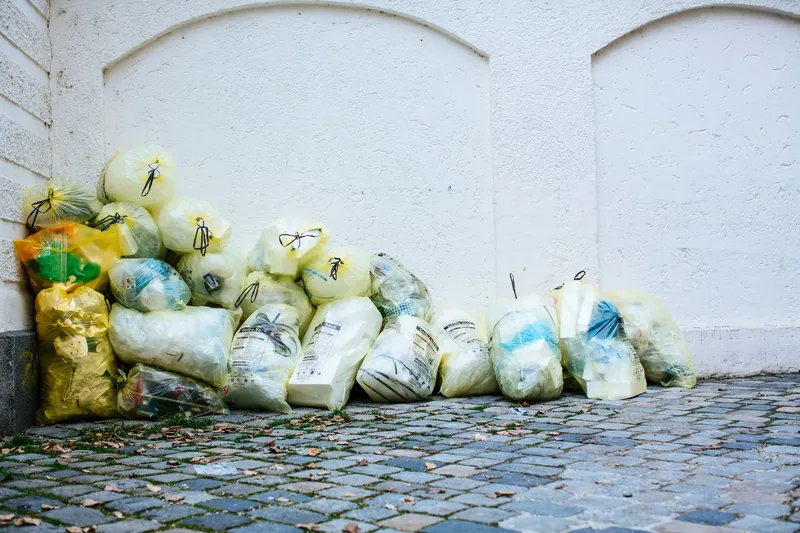
Containment, entry and cleanup plans can be influenced by local housing, population and access details.
Rental households account for 36.4% locally, which can add access questions when the affected room is inside a managed property.
Homes centered around a 1999 build year may have open layouts, which can allow odor to reach adjoining living areas.
A 30.0% share of seniors living alone matters because longer discovery times can allow odor and contamination to spread farther.
The local mix includes 67.6% single-family homes, so privacy measures should reflect both detached and multi-unit settings.
You can ask about cleanup in nearby communities and ZIP codes during the call.
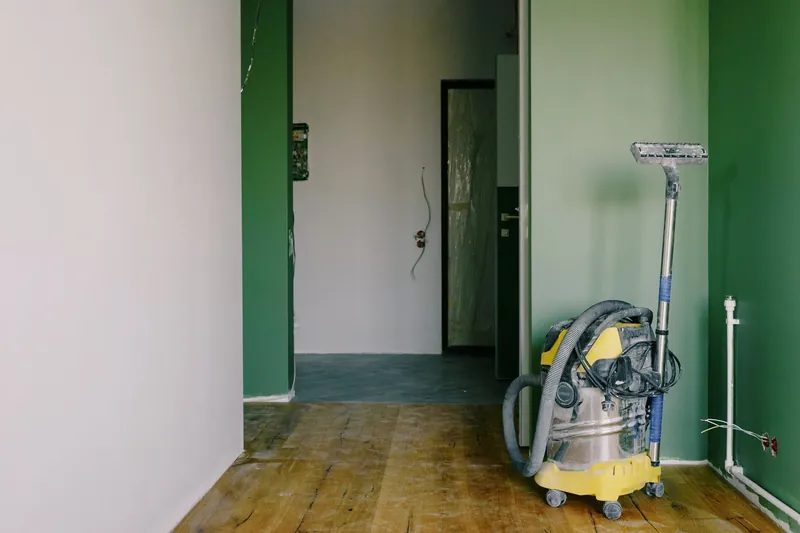
Deep cleaning, respectful sorting and removal are all part of hoarding cleanup.
See hoarding cleanup
Hoarder house cleanout clears a home room by room and includes hauling away trash.
See hoarder house cleanout
Animal hoarding cleanup addresses waste, urine-soaked materials and odors caused by ammonia.
See animal hoarding cleanup
Human feces cleanup includes disinfection in homes, public restrooms and rental properties.
See human feces cleanup
Urine cleanup and odor removal address furniture, floors and subfloors.
See urine cleanup
Cleanup removes infectious material, including blood and body fluids, and disinfects the property.
See biohazard cleanup
Yards, encampments, parks and rental properties receive needle and sharps cleanup.
See needle and sharps cleanup
Biohazard cleanup for hotels, Airbnb units and rental properties.
See hotel, airbnb and rental biohazard cleanupThat depends on which rooms are affected and what hazards are present. Keep yourself, children and animals outside every active work space. Temporary lodging may make sense if treatment reaches living spaces, waste is extensive, escape routes are obstructed or no usable kitchen or bathroom remains.
What damaged the property and what your policy says will shape coverage. Damage tied to a covered abrupt event can receive different treatment from general cleaning and long-standing accumulation. Ask the insurance company which cause applies, what records are required and whether repairs, sanitation and removal are evaluated separately.
Filth and squalor cleanup removes built-up garbage before thoroughly cleaning a residence affected by unsafe sanitation. It can include sorting personal property, removing spoiled material, cleaning hard surfaces, disinfecting affected areas, treating odor and removing porous materials that cannot be safely cleaned.
Important papers, medication, keys, photographs, valuables and uncertain items can be moved to a separate decision area. Cleanable items may remain in place. Before broken, pest-affected or deeply contaminated items are removed, you should know why and who has authority to approve the decision.
Published guides for related services list human waste cleanup at $400 to $1,500; hoarding with biohazards at $3,000 to $20,000; and biohazard-level hoarding at $2,000 to $25,000 in those guides. These are planning ranges. The actual work depends on accumulation, waste categories, material damage, pest activity, access conditions and odor treatment.
A single accessible space with light buildup could take approximately one day. A heavily affected property can need at least a week, and cleaning several spaces often lasts multiple days. Sorting decisions, blocked access, pests, contaminated porous materials, odor sources, plumbing problems and repair needs can extend the cleaning process.
You can request respectful, discreet filth and squalor cleanup 24 hours a day, and crews use unmarked vehicles.