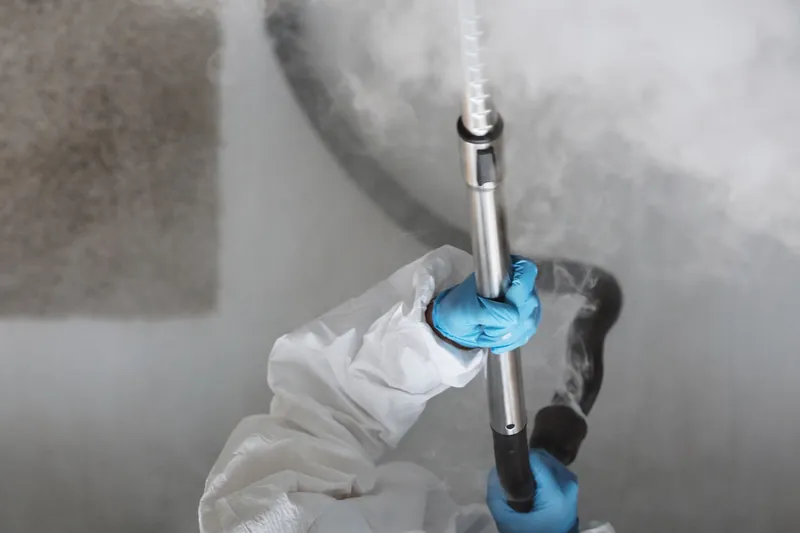
Infectious Disease Disinfection
EPA-registered products are applied across all surfaces during infectious disease disinfection.
See infectious disease disinfectionGet high-touch surfaces cleaned and disinfected in a home, office, rental or shared space in East Mayfair Park after illness or possible exposure. EPA-registered products are used according to their labels.
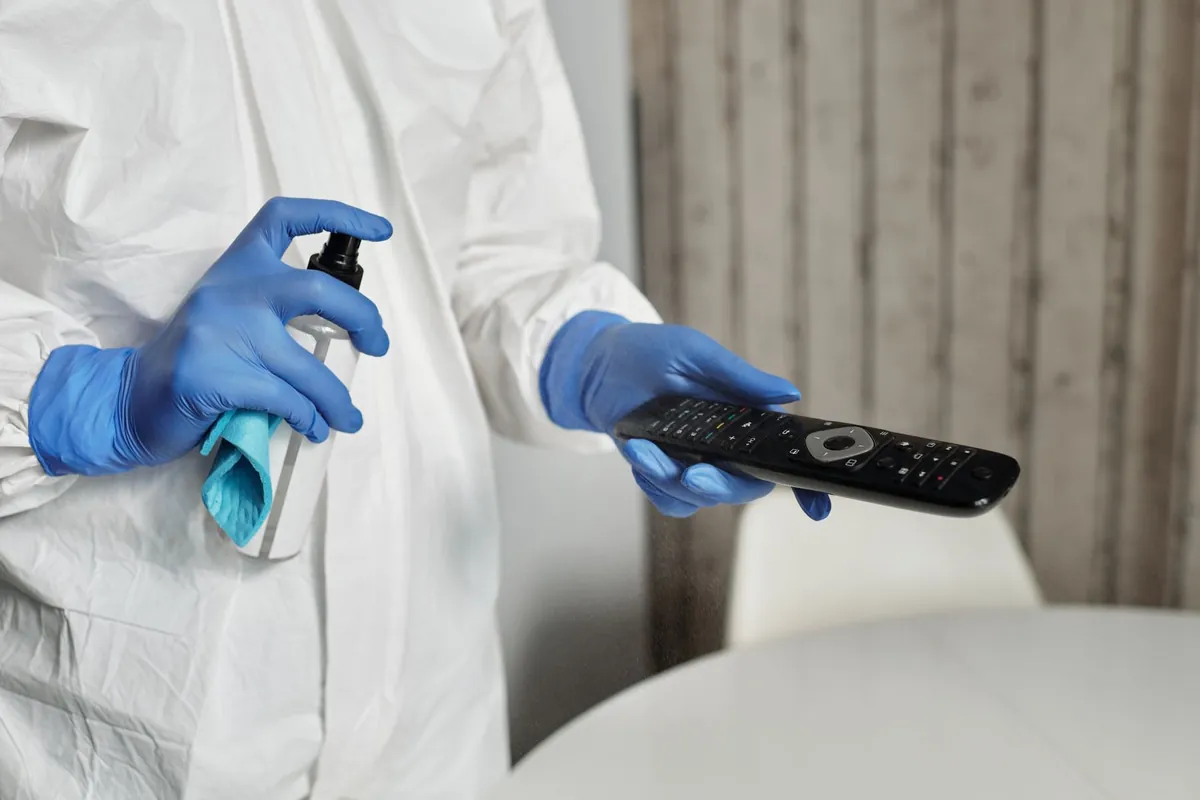
COVID-19 and virus disinfection is a focused cleaning service for frequently touched surfaces and affected areas after illness or suspected exposure. It combines soil removal with an EPA-registered disinfectant used for the full contact time on its label.
An office, restaurant, school, home, rental property, care setting or another communal space may be covered. Touch points are identified by cleanup technicians. These often include desks, counters, door knobs, switches, shared equipment and bathroom fixtures. Nearby areas also receive consideration if people could contact them as they pass through the property.
You may hear this service described as biohazard remediation, COVID-19 decontamination, infectious disease cleanup, coronavirus cleaning or biohazard decontamination. It differs from routine janitorial work because cleanup crews follow product directions, wear protective equipment and work from a written scope that allows each task to be checked. Remediation is not a substitute for handwashing, building ventilation, fresh air or staying home if you are sick.
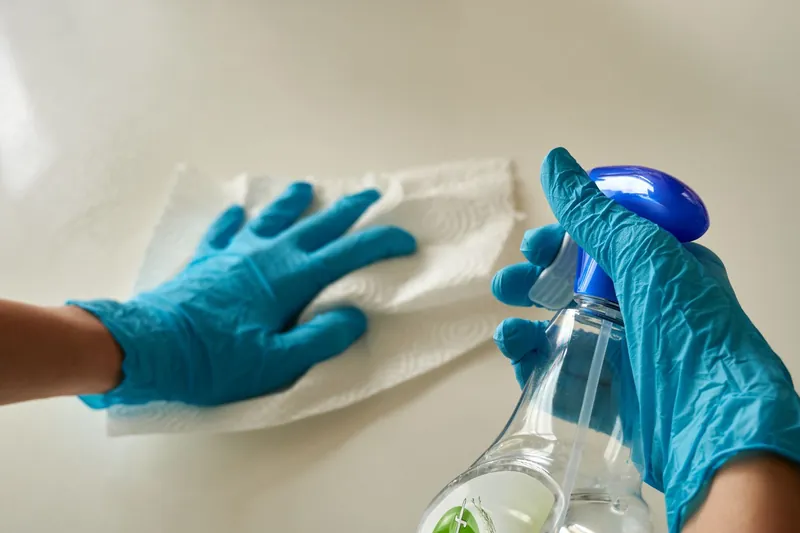
You can check which rooms, surfaces and special materials are included before the cleaning service starts. A clearly defined scope lets you compare the described work.
Technicians use protective gear, respect personal property and can arrive in unmarked vehicles when discretion matters to you or your loved ones.
The disinfectant name and label contact time are recorded so you know what was used on the property and can move forward with reopening plans.
For homes, shared properties, rentals, offices and restaurants, the scope can reflect the setting instead of using one approach for every situation.
COVID-19 disinfection is most useful when you need a documented, room-by-room cleaning process after illness, an exposure concern or repeated use by many people. Common situations include:
Compatible surfaces in restrooms, dining spaces, service counters and back-of-house areas may be included while food and food-contact items are treated correctly.
Frequently touched surfaces in bedrooms, bathrooms, kitchens and shared living areas need careful cleaning after someone has been sick.
After illness is reported or before another approved use, property owners may schedule cleaning for hotels, apartments or short-term rentals.
Before regular use begins again, treatment can cover shared devices, desks, restrooms, break areas and meeting rooms.
Limit access to the property area first, then gather clear facts about the rooms affected. Before the cleanup team enters, follow these steps:
Call (888) 351-0904Published guides do not list a separate COVID-19 price. Comparable published infectious disease disinfection guides range from $1,000 to $10,000. The actual scope depends on the space, the type of germ, the number of rooms and surfaces, air-system work and whether testing is requested.
These ranges come from published national cost guides, not from a site visit. The price for your property is set after the on-site assessment, and you hear it before work starts.
Ask about cost: (888) 351-0904Coverage varies by policy and the reason for the work. Do not assume that homeowners, renters or business insurance will pay for preventive coronavirus cleaning. Ask the insurance company before work begins when time allows.
A business owner should ask the insurance company about communicable disease terms, exclusions, deductibles and required records before relying on coverage.
Keep the cleaning scope, product list, photos and invoice. Insurance assistance is supported by these documents, which allow insurance companies to examine the requested and completed work.
Local requirements, lease terms and the affected area's location may determine who arranges cleanup in a rental or common space.
An insurance company may consider routine disinfection maintenance instead of a loss covered by the policy. Ask whether your policy treats a documented illness or another event differently.
Coronavirus biohazard decontamination follows a controlled sequence. The cleanup involves assessment, cleaning, disinfection and a final check. The product label guides every step of the entire process and how each surface is treated.
You and the technicians examine the rooms, prior occupancy, delicate materials and frequently touched points before cleaning begins.
Technicians close or mark the work area when necessary and choose eye protection, gloves and other protective equipment suited to the setting and products.
Dust and visible soil are removed first because dirt can keep disinfectant from reaching the surface evenly.
For compatible materials, treatment uses an EPA-registered disinfectant with concentration and coverage based on label instructions.
Instead of an immediate wipe after spraying, the treated material stays wet throughout the contact time on the label.
Shared electronic devices, soft items and unfinished wood get material-suitable care, not saturation with a general-purpose spray.
Technicians verify the checklist one room at a time and focus particularly on fixtures, shared equipment, switches and door pulls.
You receive the completed scope and product information, plus instructions about drying, ventilation and when the treated area can be used.
Phone any hour. A specialist in COVID-19 and virus disinfection takes your call, explains each step and agrees on a start time with you.
The chief disinfection risks are exposure to illness, misuse of chemicals and surfaces that do not receive complete coverage. A thoughtful plan can reduce needless contact and serious health risks. It cannot claim that every path of transmission is removed through surface cleaning.
Disinfectant must stay visibly wet for the duration specified by its label. Wiping it dry too soon can keep it from working as intended.
Safety does not always increase with more chemical. Mixing cleaners, choosing an unsuitable product or allowing inadequate ventilation can irritate people and harm fabric, wood, finished materials or electronics.
Cleaners entering a recently occupied room may come near someone who is ill or items that are contaminated. Access control and suitable protective gear reduce unnecessary contact during the work.
Can you clean it yourself? Routine cleaning may be enough when no one is currently ill and the property has no special exposure concern. For a known illness, a large shared space, sensitive surfaces or a workplace that needs a clear scope, professional cleanup can help you follow product labels and cover the important touch points.
Most disinfection for viruses does not involve demolition. It centers on treating surfaces. Hard, compatible materials are disinfected after cleaning, while porous materials with damage or heavy soil are considered separately.
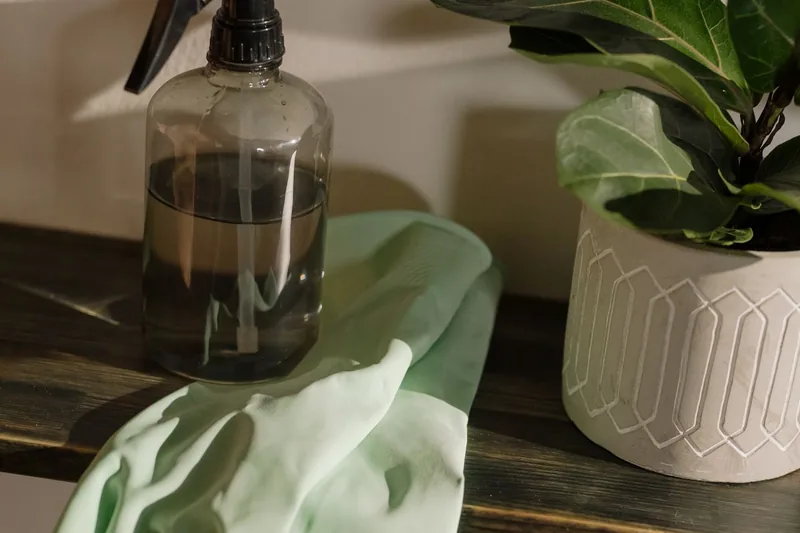
A targeted residential cleaning may last several hours. A larger office or commercial property with multiple rooms may need more time, sometimes across stages. Required contact times, room count, furniture volume and surface compatibility all affect the schedule.
| Scene | Typical time on site |
|---|---|
| Focused home area | Usually completed within one planned appointment |
| Several separate rooms or one small office | A half day or longer may be necessary |
| Large or occupied commercial property | Access needs often shape a staged plan |
You cannot use odor to confirm cleanliness because neither a room with COVID-19 nor one with other viruses produces such a smell. Deodorizing, adding fragrance or applying fog alone does not replace cleaning soil, reaching high-touch surfaces and following disinfectant contact time.
Air quality and odor removal need a separate plan from surface disinfection. Ventilation can help clear product fumes after treatment, and building staff can check outdoor air and filtration settings for the space. If there is a sewage backup, water damage, mold or another odor source, that condition may need separate cleanup or restoration services rather than extra disinfectant.
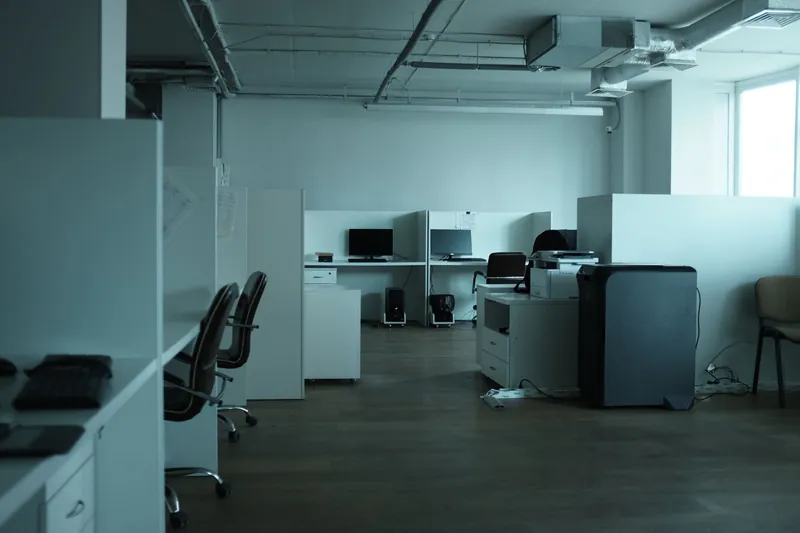
The full COVID-19 and virus disinfection guide covers what is cleaned or removed, odor and air quality work, and the rules that apply in East Baton Rouge Parish.
Read the full COVID-19 and virus disinfection guideContainment, entry and cleanup plans can be influenced by local housing, population and access details.
A listed distance of 2.6 miles to Baton Rouge General Medical Center gives a practical medical reference when someone has contacted blood or waste.
Nearby communities include Mayfair Park, Mayfair Heights, and North Mayfair, useful geographic references when explaining a property location to a cleanup crew.
Properties within this Baton Rouge neighborhood may share alleys, entries, or parking, so equipment movement should be planned around nearby residents.
Medical questions belong with a clinician, while surface disinfection follows label directions, including the required wet contact time.
During your call, ask whether cleanup is available in surrounding communities and ZIP codes.
EPA-registered products are applied across all surfaces during infectious disease disinfection.
See infectious disease disinfection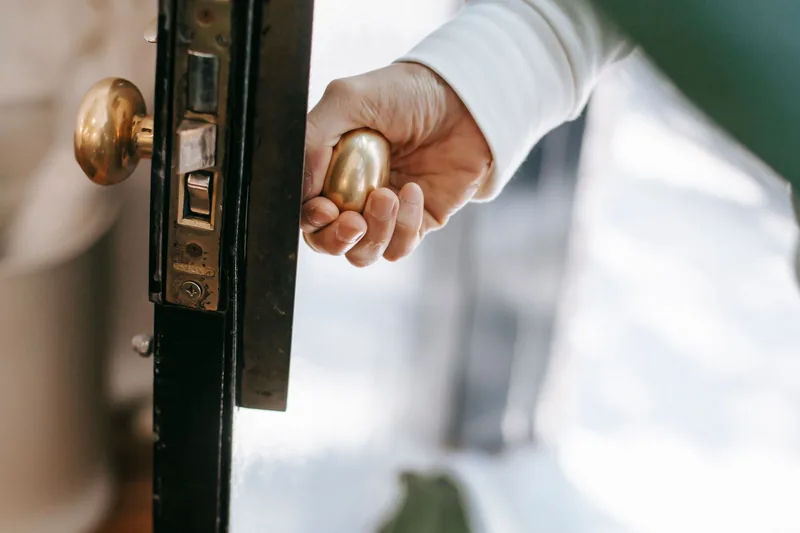
MRSA, norovirus and C. diff cleanup covers care settings, fitness facilities and homes.
See mrsa, c. diff and norovirus cleanup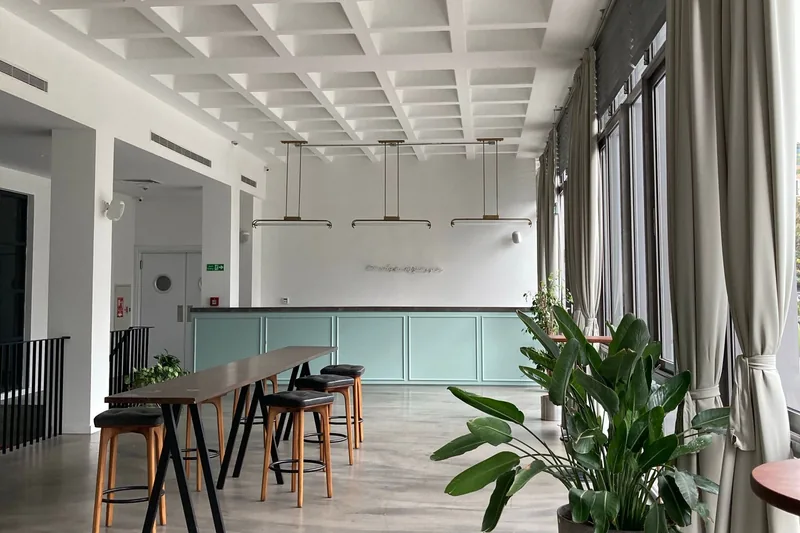
Site access and operating needs guide planning for commercial and industrial biohazard cleanup.
See commercial and industrial biohazard cleanup
Biohazard cleanup for clinics, care homes and healthcare facilities.
See hospital and healthcare biohazard cleanup
Workplace biohazard cleanup addresses offices after injuries or exposure incidents.
See office and workplace biohazard cleanup
When classes are not in session, biohazard cleanup addresses schools and childcare settings.
See school and daycare biohazard cleanup
Hotels, rental properties and Airbnb units receive biohazard cleanup.
See hotel, airbnb and rental biohazard cleanup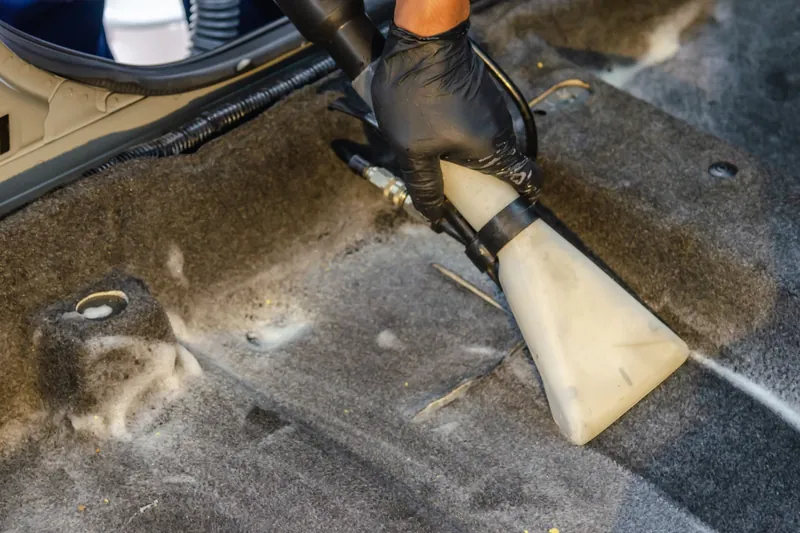
Biohazards are cleaned from carpets and upholstery, or affected materials are removed safely when needed.
See biohazard carpet and upholstery cleaningAlcohol can inactivate the virus that causes COVID-19 when the concentration, surface and wet contact time are appropriate. On hard surfaces, follow the label for an EPA-registered product or a different product endorsed by the surface manufacturer. Do not spray alcohol near heat or flame, and do not assume a quick wipe gives enough contact time.
You can use alcohol-based hand sanitizer to reduce germs on your hands when washing with soap and water is unavailable. Use a product with at least 60 percent alcohol and rub all hand surfaces until dry. Rooms, electronics and furnishings should not be disinfected with hand sanitizer, which is intended for hands. When your hands look dirty, wash them using water and soap.
Coverage is not automatic. Routine or preventive disinfection may count as maintenance under many policies, and treatment of another event depends on the policy. Contact your insurance company, explain why cleanup is necessary and ask about required documentation, exclusions and your deductible. Keep your photos and invoice, plus the product list and scope, so the claim can be checked.
A virus may be a biological hazard due to its ability to cause disease. The virus involved, task, setting and way exposure occurs all affect the risk level. Match the approach to disinfection with the hazard present. Cleaning, controlling access, wearing protective equipment and choosing the right disinfectant all matter, but one measure alone cannot substitute for the others.
A focused home area may be completed in one visit. Work may be divided into stages or take longer for large offices, schools and commercial properties. Timing depends on room count, furnishings, sensitive surfaces, product contact times and access. Have the scope list the areas being treated and all guidance about reentering them.
Begin in the rooms the ill person used and at the surfaces they touched. After keeping others away, clean off visible soil and treat compatible hard surfaces according to disinfectant label instructions. Follow the care instructions when washing suitable fabrics. A professional visit can help with large shared spaces, sensitive materials or a room-by-room scope that needs records.
You can request respectful, discreet COVID-19 and virus disinfection 24 hours a day, and crews use unmarked vehicles.